

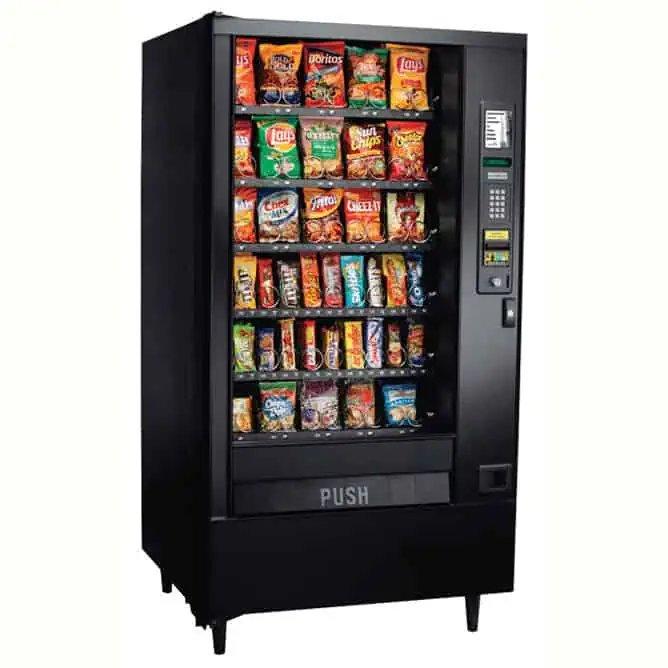
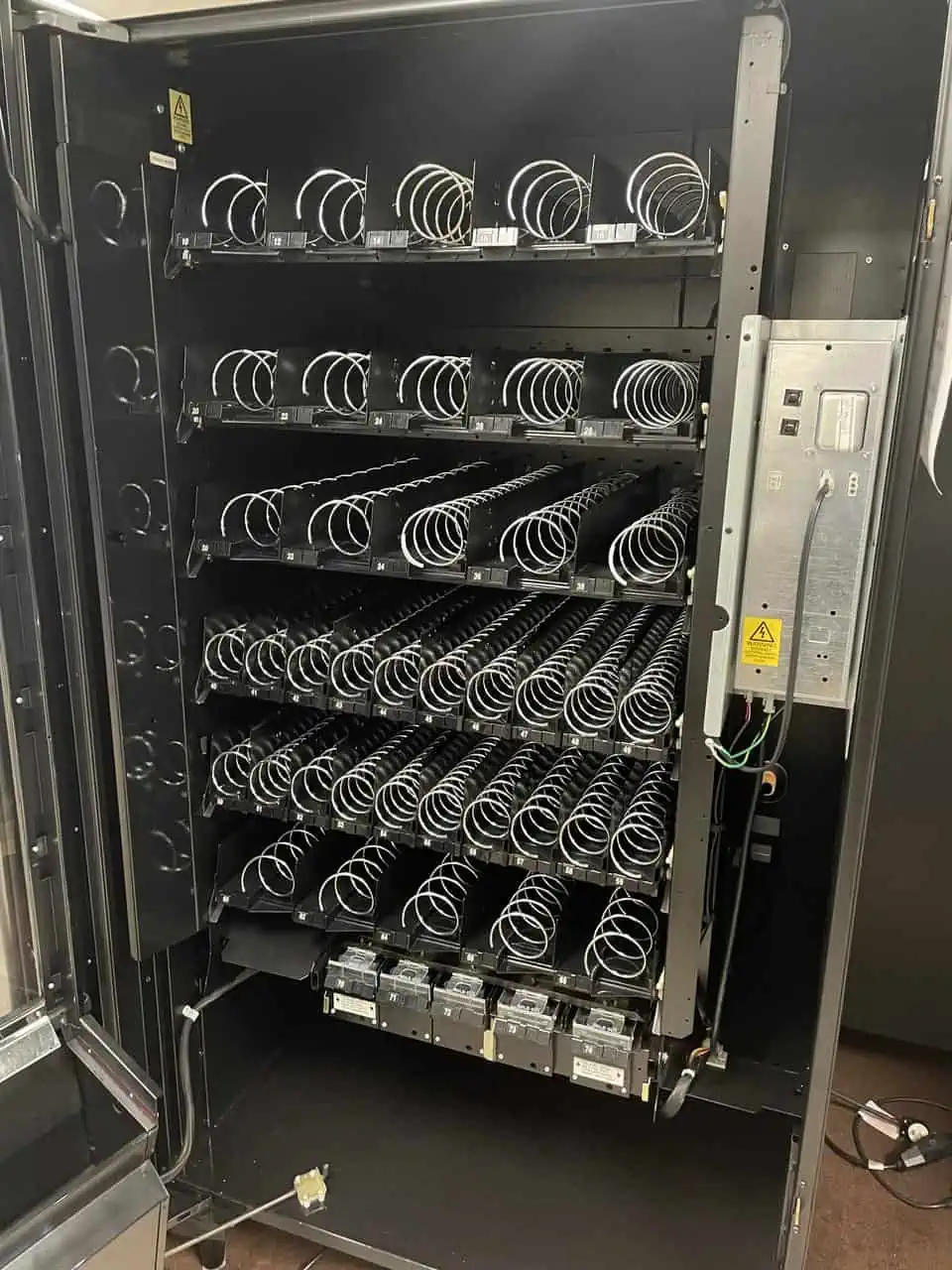
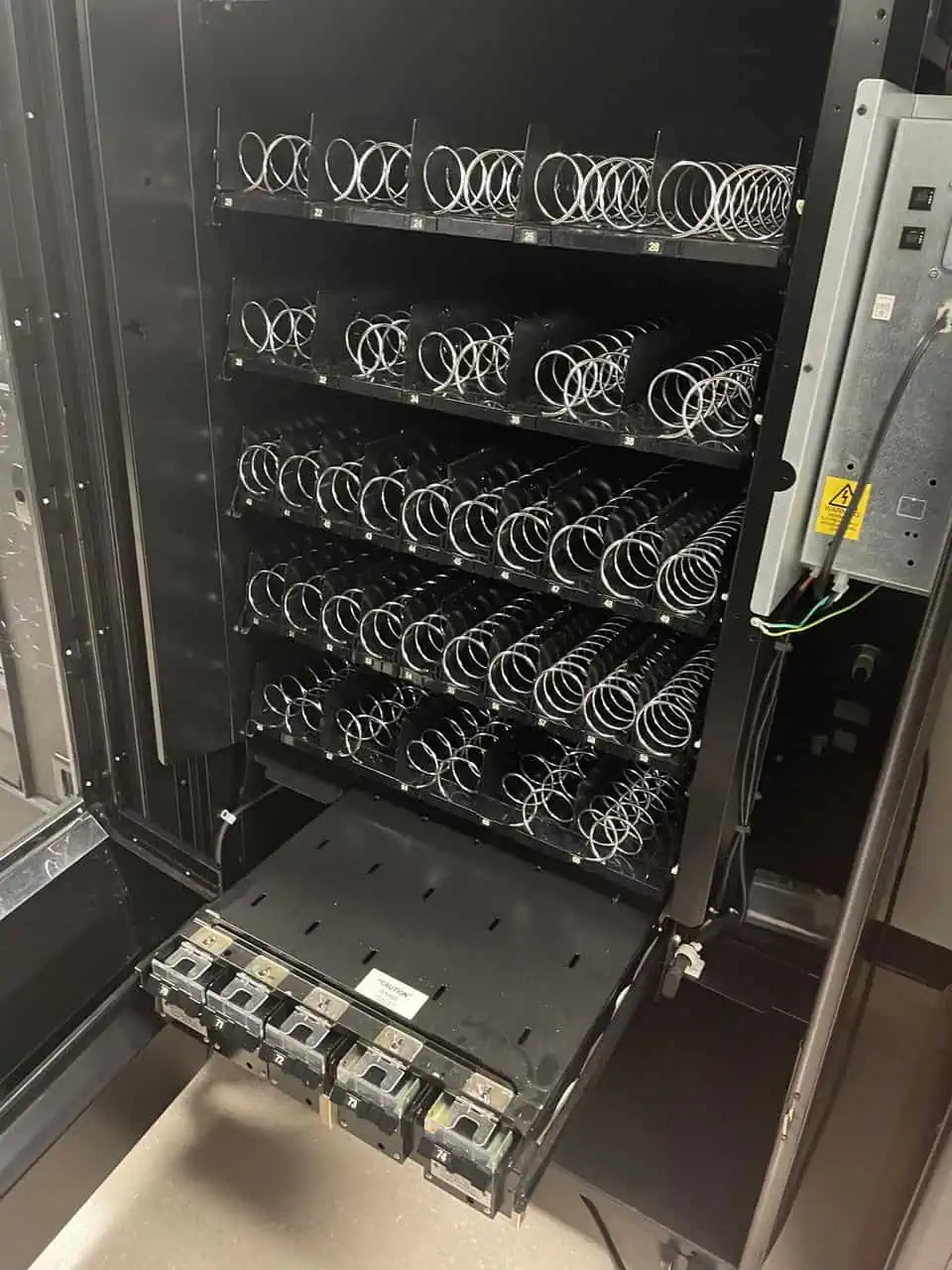
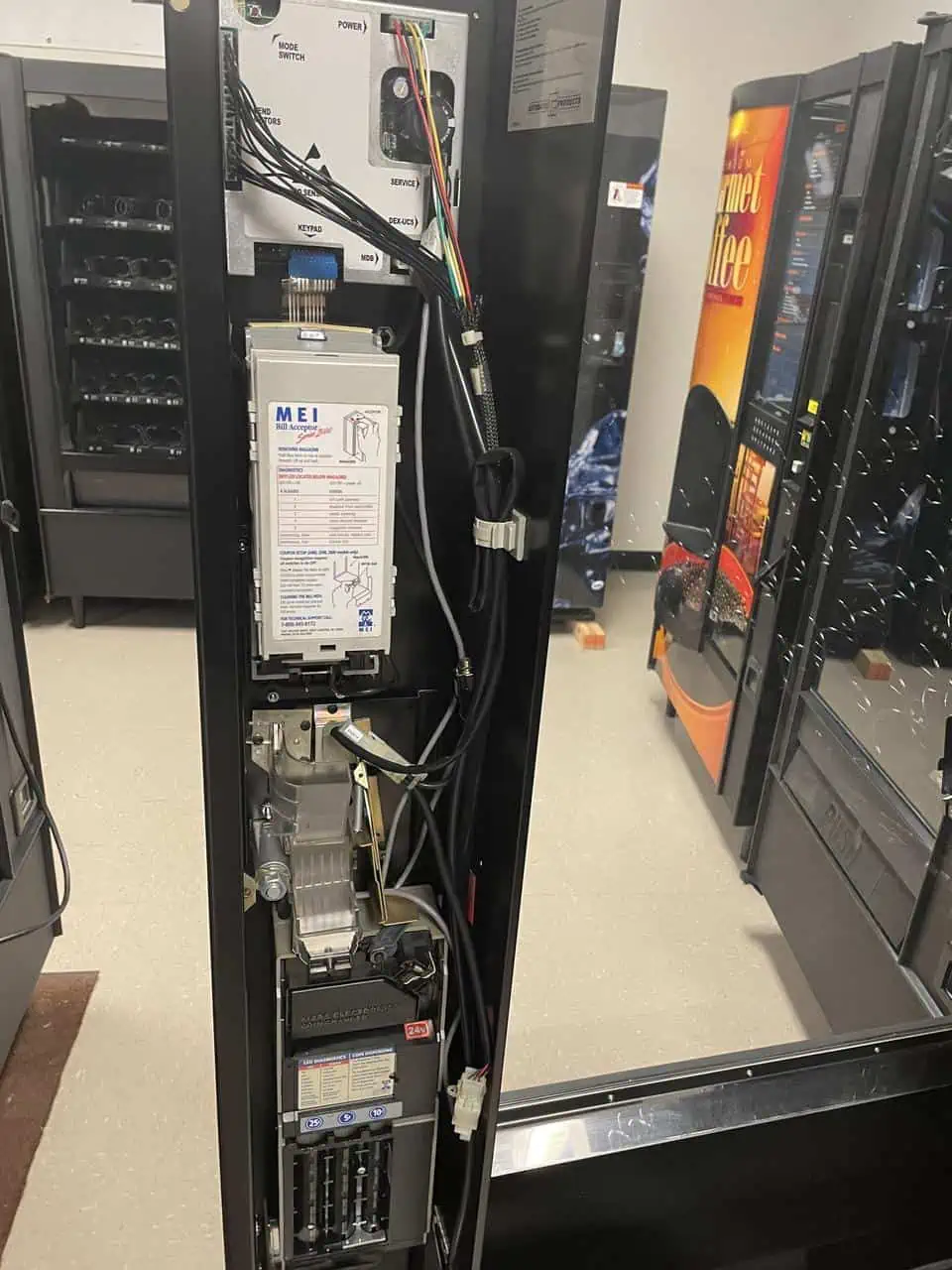
AP 123 Snack Machine – Remanufactured
$2,495.00 Original price was: $2,495.00.$2,295.00Current price is: $2,295.00.
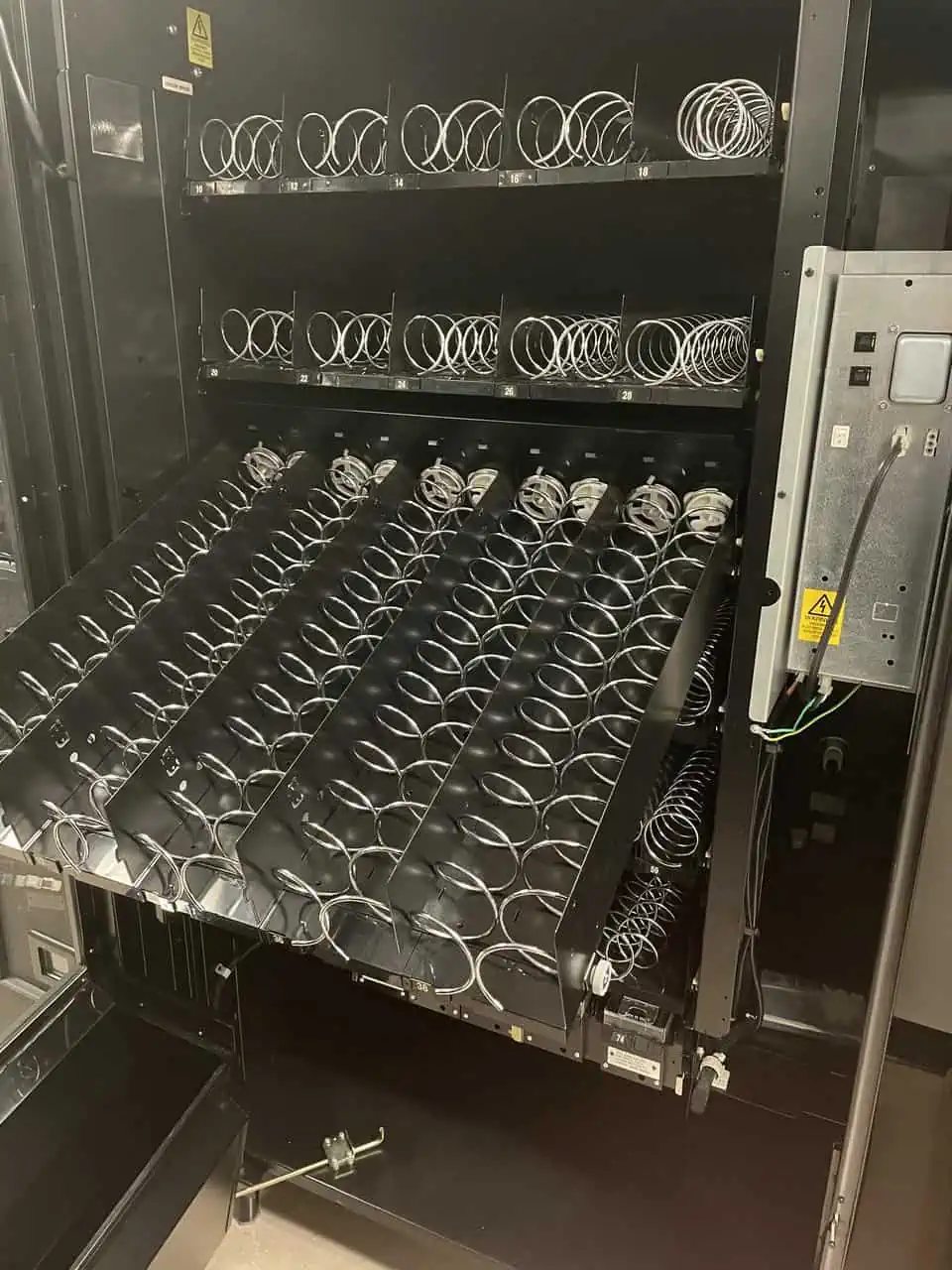
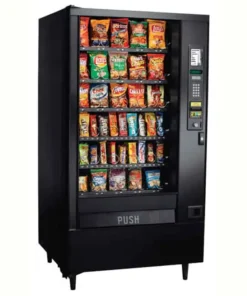
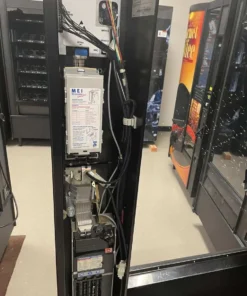
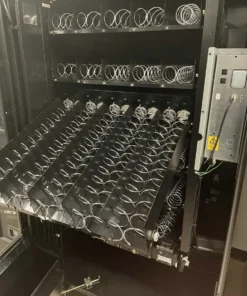
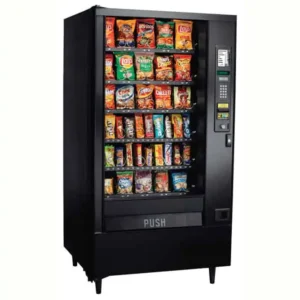
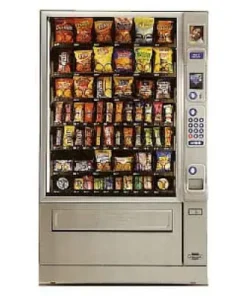
Completely remanufactured glassfront snack merchandiser, location ready with bill and coin mechanism, lock and key. Machines are 6 shelf with 1 or 2 candy shelves.
The AP 123 Snack Machine – Remanufactured: The Quintessential Workhorse, Reborn for the Modern Era
Table of Contents
-
Executive Summary: The Resurgence of a Vending Icon
-
Part 1: The AP Legacy – Built for Battle, Engineered to Last
-
1.1 The AP 113/123 Series: A Benchmark in Durability
-
1.2 Design Philosophy: Industrial Simplicity and Field-Repairability
-
1.3 Why “Remanufactured” is the Smart Operator’s Choice
-
-
Part 2: The Rebirth Protocol – Beyond Refurbishment to Renewal
-
2.1 Stage 1: Triage, Teardown, and Deep Cleaning
-
2.2 Stage 2: The Mechanical Heart – Spiral, Motor, and Chute Overhaul
-
2.3 Stage 3: The Electronic Brain – MDB Retrofit and Modern Control
-
2.4 Stage 4: The Face-Lift – Cosmetic Restoration and Final Validation
-
-
Part 3: The Unbeatable Mechanical Core – Why the 123 Design Endures
-
3.1 The Heavy-Duty Spiral and Cam Mechanism
-
3.2 The Robust 5- or 6-Tray Chassis Architecture
-
3.3 Overbuilt Construction and Vandal-Resistant Design
-
-
Part 4: The Modernized Nerve Center – 21st Century Intelligence
-
4.1 The Mandatory MDB Control Board Conversion
-
4.2 Cashless Integration: Becoming EMV & NFC Ready
-
4.3 DEX Data Port and Telemetry Pathways
-
-
Part 5: The Consumer Transaction – Speed, Reliability, Trust
-
5.1 The Intuitive, No-Frills Selection Grid
-
5.2 The “Thump” of a Successful Vend
-
5.3 Capacity and Product Integrity
-
-
Part 6: The Technician’s Dream – Unrivaled Serviceability
-
6.1 The “Everything-from-the-Front” Service Design
-
6.2 Universal Parts Availability and a 40-Year Knowledge Base
-
6.3 The Five-Minute Repair: Reality, Not Hyperbole
-
-
Part 7: Target Markets – Where the Remanufactured AP 123 Thrives
-
7.1 The Industrial and Warehouse Domain
-
7.2 Schools, Government, and Institutional Workhorses
-
7.3 The Foundation Machine for Route Builders and Expanders
-
-
Part 8: The Economic Dominance – Total Cost of Ownership (TCO) Analysis
-
8.1 Capital Efficiency: The Unbeatable Entry Point
-
8.2 The Uptime Advantage: Minimizing Revenue-Killing Downtime
-
8.3 5-Year TCO Showdown: Remanufactured AP 123 vs. New Economy Machine
-
-
Part 9: The Green Machine – Sustainability Through Remanufacturing
-
9.1 The Circular Economy Champion
-
9.2 Energy, Waste, and Resource Conservation
-
9.3 A Decade-Plus Extension of a Proven Asset
-
-
Part 10: The Vendingsmachines.com Remanufacturing Guarantee
-
10.1 Our “Certified Remanufactured” Standards
-
10.2 Warranty, Support, and Peace of Mind
-
10.3 Investing in a Asset, Not a Liability
-
-
Conclusion: The Definitive Value Proposition for Discerning Operators
1. Executive Summary: The Resurgence of a Vending Icon
In the world of snack vending, trends come and go—touchscreens, digital signage, complex connectivity. Yet, through decades of industry evolution, one truth remains immutable for operators whose success depends on daily, uninterrupted cash flow: a machine that is working is a machine that is earning. The AP 123 Snack Machine – Remanufactured is the ultimate embodiment of this principle. It represents the strategic renewal of one of the most rugged, reliable, and serviceable snack platforms ever designed, now meticulously restored and modernized to deliver performance that rivals—and often surpasses—new machines at a fraction of the cost.
Choosing an AP 123 Snack Machine – Remanufactured is a declaration of operational wisdom. It is an investment in a design where every component was engineered for a 20-year service life, where every repair procedure was simplified for the field technician, and where simplicity itself is the ultimate sophistication. For the cost-conscious operator building a competitive route, the fleet manager seeking to deploy more assets with limited capital, or the location demanding a machine that can survive a demanding environment, the remanufactured AP 123 presents an unbeatable value proposition. This analysis will detail the rigorous renewal process, quantify the undeniable financial superiority, and demonstrate why this renewed icon remains the most intelligent choice for core snack vending profitability.
2. Part 1: The AP Legacy – Built for Battle, Engineered to Last
2.1 The AP 113/123 Series: A Benchmark in Durability
The Automatic Products (AP) 113 and its successor, the AP 123, are legends in the vending industry. From the 1980s through the early 2000s, these machines were the gold standard for heavy-duty snack vending. They were not designed for sleek corporate lobbies first; they were engineered for factories, prisons, schools, and military bases—environments where abuse was expected, and failure was not an option. Their proliferation created a massive installed base and an unparalleled ecosystem of parts and technical knowledge.
2.2 Design Philosophy: Industrial Simplicity and Field-Repairability
The AP 123 was built around three non-negotiable tenets:
-
Mechanical Robustness: Utilized heavy-gauge steel, industrial spur-gear motors, and over-engineered spirals.
-
Service Intuitiveness: Every single component was accessible from the front service door. The layout was logical, with plug-and-play connectors long before they were common.
-
Operational Certainty: It used a straightforward, cam-driven spiral mechanism that provided positive, audible feedback. There were no unnecessary sensors or complex circuits to fail.
2.3 Why “Remanufactured” is the Smart Operator’s Choice
-
Used/As-Is: A gamble. Unknown wear, outdated electronics, impending repairs.
-
Refurbished: Often superficial—cleaned, painted, maybe a replaced part. A cosmetic upgrade.
-
Remanufactured: A complete mechanical and electronic renewal. The machine is stripped to its frame. Every wear item is replaced. Its control system is upgraded to modern standards. An AP 123 Snack Machine – Remanufactured isn’t just an old machine; it’s a newly built industrial asset on a proven, ultra-durable chassis, often performing more reliably than a new, cost-engineered equivalent.
3. Part 2: The Rebirth Protocol – Beyond Refurbishment to Renewal
3.1 Stage 1: Triage, Teardown, and Deep Cleaning
-
Core Inspection: Each donor machine is evaluated for structural integrity. Machines with severe frame damage or corrosion are rejected.
-
Complete Disassembly: The machine is stripped to its bare, welded steel cabinet. Every tray, spiral, motor, wire, and bracket is removed.
-
Degreasing & Sanitization: The frame and all metal components are put through an industrial parts washer to remove decades of grime, soda spills, and dust.
3.2 Stage 2: The Mechanical Heart – Spiral, Motor, and Chute Overhaul
-
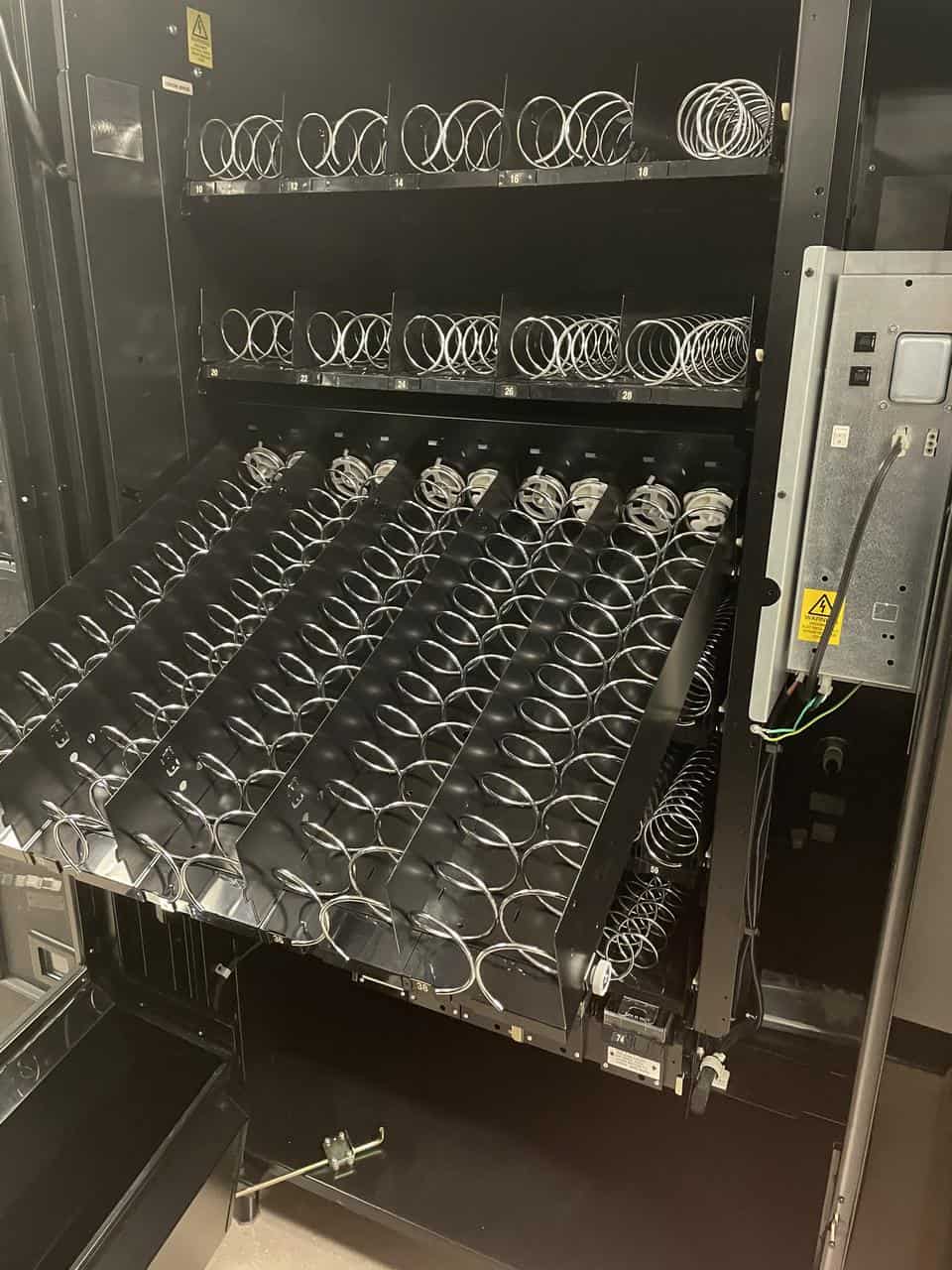
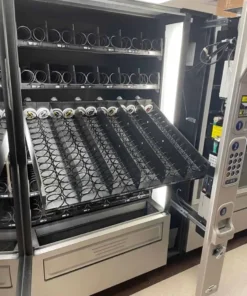
Spiral Assembly Rebuild: Every spiral coil is inspected for deformation. Worn or damaged spirals are replaced with new, OEM-spec units. Spiral cams and bushings are replaced.
-
Motor Replacement/Refurbishment: Each of the 30-40+ spiral motors is tested under load for torque and amperage. Any motor outside strict performance tolerances is replaced with a new, high-torque equivalent.
-
Delivery System Renewal: The product delivery chute is inspected and polished. Worn flaps and guides are replaced. The delivery bin sensor is cleaned and tested.
-
Tray & Shelf Restoration: All tray slides are cleaned and lubricated. Damaged shelves are straightened or replaced.
3.3 Stage 3: The Electronic Brain – MDB Retrofit and Modern Control
This is the transformative stage that brings the AP 123 into the modern era.
-
Legacy Board Removal: The old single- or multi-price logic board is removed.
-
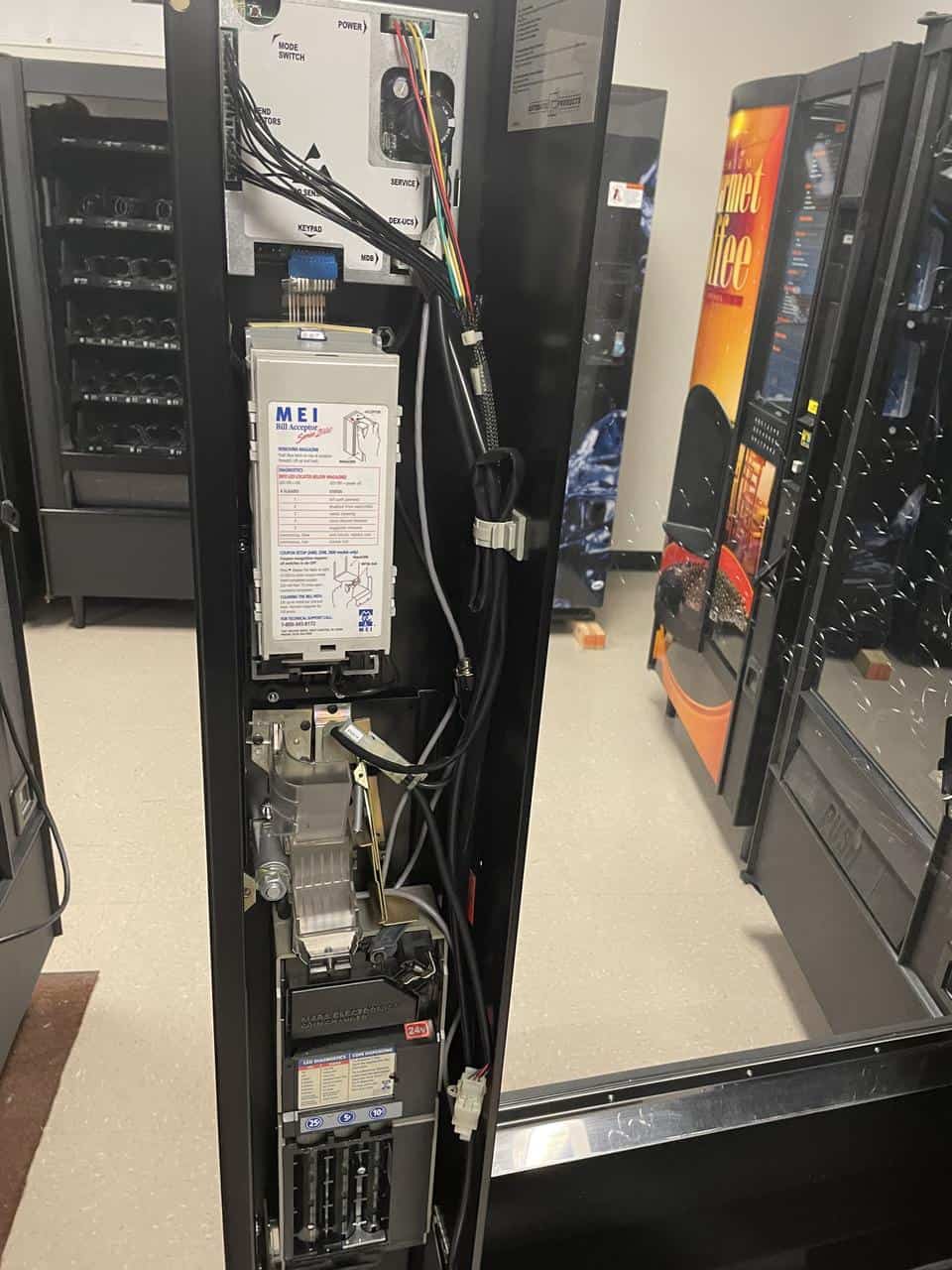
MDB Control Board Installation: A brand new, multi-drop bus (MDB) compliant control board is installed. This is the critical upgrade that enables compatibility with modern cashless readers, advanced diagnostics, and DEX data.
-
Harness Replacement: A new, custom-wired harness is installed, eliminating the ghosts of old shorts, splices, and corrosion.
-
Payment System Modernization: A new, high-reliability bill validator and coin mechanism are installed. The machine is prepped and wired for an optional, plug-and-play EMV/NFC cashless reader.
3.4 Stage 4: The Face-Lift – Cosmetic Restoration and Final Validation
-
Cabinet Restoration: The steel cabinet is sanded, treated for rust, and repainted with a high-quality, chemical-resistant enamel. The iconic AP “hammer-tone” grey or a custom color is applied.
-
New Graphics: A new, full-color selection decal and brand strip are applied, crisp and clear.
-
LED Lighting Upgrade: Old fluorescent or incandescent bulbs are replaced with cool, efficient, long-life LED lighting for the selection panel and delivery area.
-
72-Hour Burn-In Test: The machine is loaded with a variety of products and put through hundreds of vending cycles. Every selection is tested multiple times. Electronics are monitored for stability. Only after passing this rigorous test is it certified as Remanufactured.
4. Part 3: The Unbeatable Mechanical Core – Why the 123 Design Endures
4.1 The Heavy-Duty Spiral and Cam Mechanism
The AP 123’s vending action is a masterpiece of positive mechanical engagement.
-
Cam-Driven Action: A high-torque motor turns a cam, which directly engages and rotates the spiral. This provides more positive torque than many modern friction-drive systems, reducing jams on tightly packed or heavier items.
-
Audible & Tactile Feedback: The distinct thump-whir of a successful vend provides instant confirmation to the customer and the technician.
-
Proven Reliability: This mechanism, when rebuilt with new components, is arguably more reliable than many newer, cost-reduced designs.
4.2 The Robust 5- or 6-Tray Chassis Architecture
The AP 123’s internal structure is overbuilt.
-
Steel Tray Carriages: Trays slide on solid steel rails, not plastic guides. They can handle heavy, unbalanced loads without bending.
-
Optimized Capacity: The standard 5 or 6-tray design offers 30-40+ selections and a capacity of 150-200+ items, the perfect balance of variety and service interval for its target markets.
4.3 Overbuilt Construction and Vandal-Resistant Design
-
12-Gauge Steel Cabinet: The cabinet is significantly thicker and heavier than those on many contemporary machines. It resists dents and kicks.
-
Secure, Simple Locking: A high-quality tubular lock or optional Medeco cylinder provides robust security. The solid metal door is inherently more resistant to prying and vandalism than glass-front models.
5. Part 4: The Modernized Nerve Center – 21st Century Intelligence
5.1 The Mandatory MDB Control Board Conversion
This retrofit is non-negotiable in a true remanufacture. It changes everything.
-
Universal Payment Compatibility: Allows the use of any modern MDB bill validator, coin mech, and cashless reader.
-
Feature Enablement: Unlocks capabilities like individual column pricing, precise sold-out detection, and electronic audit trails.
5.2 Cashless Integration: Becoming EMV & NFC Ready
An AP 123 Snack Machine – Remanufactured is fully prepared for today’s cashless economy.
-
Pre-Wired & Ready: The MDB harness includes a dedicated port for a cashless reader.
-
Future-Proof Sales: Operators can instantly add a reader to accept credit/debit cards, Apple Pay, and Google Pay, capturing the significant portion of sales that would otherwise be lost.
5.3 DEX Data Port and Telemetry Pathways
-
Standard DEX Port: Allows for easy plug-in of a handheld to download sales data, simplifying route accounting.
-
Telemetry Potential: The modern MDB board can be the foundation for add-on telemetry kits, giving operators the option to add remote monitoring when their business is ready, without the high cost of a new “connected” machine.
6. Part 5: The Consumer Transaction – Speed, Reliability, Trust
6.1 The Intuitive, No-Frills Selection Grid
-
Instant Usability: A grid of large, backlit buttons (1-40+) with clear numbering. Zero learning curve for any user.
-
Speed: The transaction flow—select, pay, vend—is one of the fastest in the industry, critical for high-throughput locations like factory breakrooms.
-
Durability: Physical buttons withstand dirt, moisture, and heavy use far better than capacitive touchscreens.
6.2 The “Thump” of a Successful Vend
The sound and feel of the mechanical vend is a powerful psychological tool. It provides immediate, tangible confirmation that the machine has worked, building customer confidence and reducing service calls for “lost money” that are common with silent, all-digital machines.
6.3 Capacity and Product Integrity
-
Ample Stock: Holds enough product to sustain a location between scheduled service visits.
-
Gentle Handling: The cam-driven spiral provides a controlled, reliable delivery that minimizes product damage (crushed bags, broken pastry) compared to aggressive or misaligned spirals in lesser machines.
7. Part 6: The Technician’s Dream – Unrivaled Serviceability
7.1 The “Everything-from-the-Front” Service Design
The AP 123 is the benchmark for service-friendly design.
-
No Rear Access Needed: All components are accessible by opening the front service door and removing the product trays. The machine never needs to be pulled from the wall.
-
Clean Interior Layout: Wiring is bundled neatly. Components are mounted logically. A technician can visually diagnose most issues in seconds.
7.2 Universal Parts Availability and a 40-Year Knowledge Base
-
Parts are Everywhere: Virtually every mechanical and electrical part for an AP 123 is available from multiple distributors, often at very low cost and with overnight shipping.
-
Collective Knowledge: Every possible failure, quirk, and repair trick for the AP 123 is documented in online forums, YouTube videos, and old technician manuals. You are never alone with a problem.
7.3 The Five-Minute Repair: Reality, Not Hyperbole
The combination of modular design and simple mechanics means most common failures are breathtakingly fast to fix.
-
Failed Spiral Motor? Unplug two connectors, remove two screws, swap the motor, reverse the process. 3-5 minutes.
-
Bill Validator Jam? Open the service door, clear the jam. 1 minute.
-
Control Board Issue? Unplug the old board, plug in the new one. 2 minutes.
This minimal Mean Time To Repair (MTTR) is where the AP 123 saves thousands in annual labor costs and prevents revenue loss.
8. Part 7: Target Markets – Where the Remanufactured AP 123 Thrives
8.1 The Industrial and Warehouse Domain
This is the machine’s natural habitat. It is the undisputed champion for:
-
Manufacturing Plants
-
Distribution Centers
-
Auto Shops
-
Construction Trailers
Its vandal resistance, reliability in dusty/dirty environments, and easy service make it irreplaceable here.
8.2 Schools, Government, and Institutional Workhorses
Where budgets are public and accountability is high, the remanufactured AP 123 shines. It delivers decades of remaining service life at a taxpayer-friendly price, with the durability to handle high-traffic student or public use.
8.3 The Foundation Machine for Route Builders and Expanders
For a new operator, the low capital cost of an AP 123 Snack Machine – Remanufactured is the ultimate market entry tool. For an existing operator, it allows for rapid, low-risk expansion into new locations or replacement of failing equipment without draining capital reserves.
9. Part 8: The Economic Dominance – Total Cost of Ownership (TCO) Analysis
9.1 Capital Efficiency: The Unbeatable Entry Point
-
New Economy Snack Machine: $4,500 – $6,000
-
AP 123 Snack Machine – Remanufactured: $2,200 – $3,200
This 40-50% lower initial investment means an operator can place two revenue-generating units for the price of one new machine, dramatically accelerating ROI and market coverage.
9.2 The Uptime Advantage: Minimizing Revenue-Killing Downtime
The true cost of a vending machine is its Purchase Price + (Cost of Repairs + Lost Revenue During Downtime). The AP 123’s legendary reliability and minute-scale MTTR result in operational costs that are a fraction of newer, more complex machines. A single multi-day downtime event on a new “feature-rich” machine can erase its entire economic advantage.
9.3 5-Year TCO Showdown: Remanufactured AP 123 vs. New Economy Machine
| Cost Category | New “Economy” Snack Machine | AP 123 Snack Machine – Remanufactured | 5-Year Advantage for AP 123 |
|---|---|---|---|
| Capital Expenditure | $5,000 | $2,700 | +$2,300 Initial Savings |
| Annual Gross Revenue | $20,000 | $20,000 | $0 (Same Placement) |
| Annual Operational Costs: | |||
| * Service Labor/Parts* | $1,200 | $600 | +$3,000 Saved |
| * Misc. Repairs/Downtime* | $300 | $100 | +$1,000 Saved |
| Total Annual OpEx | $1,500 | $700 | +$4,000 Saved |
| Annual Net Operating Profit | $18,500 | $19,300 | +$4,000 |
| 5-Yr Cumulative Net Profit | $92,500 | $96,500 | +$4,000 |
| Less Initial Cost | -$5,000 | -$2,700 | |
| 5-Yr Net Return | $87,500 | $93,800 | AP 123 nets $6,300 MORE |
Conclusion: Even with identical revenue, the AP 123 Snack Machine – Remanufactured generates over $6,000 more in total net profit over 5 years due to its drastically lower capital outlay and significantly reduced operating costs. It is the superior financial asset.
10. Part 9: The Green Machine – Sustainability Through Remanufacturing
10.1 The Circular Economy Champion
Remanufacturing is the highest form of recycling for complex industrial products.
-
Up to 80% Less Energy: Remanufacturing consumes a fraction of the energy required to smelt ore, produce new steel, and manufacture a machine from scratch.
-
Landfill Diversion: Prevents hundreds of pounds of high-quality steel, copper wiring, and other materials from becoming waste, extending their useful life by 10-15 more years.
10.2 Energy, Waste, and Resource Conservation
By reusing the core steel cabinet—the most energy-intensive component—the process conserves virgin resources and avoids the carbon emissions associated with primary metal production.
10.3 A Decade-Plus Extension of a Proven Asset
Giving a 25-year-old AP 123 a new 15-year lease on life is the epitome of sustainable thinking. It represents peak resource efficiency and responsible asset management.
11. Part 10: The Vendingsmachines.com Remanufacturing Guarantee
11.1 Our “Certified Remanufactured” Standards
When you see our certification, it guarantees:
-
Completion of the full 4-stage remanufacturing protocol.
-
Installation of a new MDB control board and wiring harness.
-
Replacement of all spiral motors, worn spirals, and gaskets.
-
A successful 72-hour performance burn-in.
-
A detailed log of all replaced components.
11.2 Warranty, Support, and Peace of Mind
We stand behind our work with confidence.
-
Strong Warranty: Typically a 6-month to 1-year parts warranty on the entire machine, focusing on the renewed systems.
-
Expert Support: Access to technicians who specialize in these legacy platforms.
-
Long-Term Assurance: The knowledge that every wearable part will be available affordably for the life of the machine.
11.3 Investing in a Asset, Not a Liability
When you purchase an AP 123 Snack Machine – Remanufactured from us, you are not buying a used machine. You are acquiring a renewed industrial asset with a known history of unparalleled durability, now updated with modern brains and a fresh start. It is the lowest-risk, highest-certainty purchase in the snack vending segment.
12. Conclusion: The Definitive Value Proposition for Discerning Operators
The AP 123 Snack Machine – Remanufactured is more than a piece of equipment; it is a testament to timeless engineering and smart economics. In an industry tempted by flashy features, it stands as a monument to the principles that truly build a profitable business: reliability, serviceability, and capital efficiency.
For the operator, it is the ultimate tool for maximizing profit per deployed dollar. It frees up capital for growth, minimizes operational headaches, and delivers predictable, dependable performance day after day, year after year. For the location, it provides a service workhorse that simply will not quit, building trust through unwavering operation.
At vendingsmachines.com, we believe in the enduring value of proven designs. The AP 123 isn’t outdated; its core principles are eternal. In the relentless business of vending, where every minute of downtime is lost revenue, choosing an AP 123 Snack Machine – Remanufactured is the strategic choice for victory. It is the smart money, the safe investment, and the proven path to building a robust and profitable snack vending route. It is, quite simply, the definitive value proposition.
6 reviews for AP 123 Snack Machine – Remanufactured
Add a review Cancel reply
Related products
Refurbished Machine
Refurbished Machine
Refurbished Machine
Refurbished Machine
Refurbished Machine
Refurbished Machine
Mia Rodriguez –
“Like buying a brand-new legend. Zero break-in period.”
We’ve had AP 123s on our factory floor for 30 years. When our last one finally needed more than a simple repair, we opted for a remanufactured unit instead of a new model. This was the right call. It arrived looking and functioning like it just rolled off the 1990s assembly line. Every component—from the coin mech and bill validator to the pushbuttons and delivery bin—was either replaced or rebuilt to factory spec. The iconic steel cabinet was stripped and repainted. It has the same indestructible feel but operates with the crisp reliability of a new machine. No vintage quirks, just proven performance.
Sister Catherine Marie –
“A compassionate restoration of a trusted workhorse.”
Our convent’s original AP 123 served our sisters faithfully for decades before becoming unreliable. Replacing it with a flashy, complicated new machine felt wrong. Discovering a remanufactured AP 123 was a blessing. It maintains the dignified, simple interface our elderly sisters know and trust, but with completely renewed internals. It is whisper-quiet, impeccably clean, and works perfectly every time. The team at vendingsmachines.com provided documentation of the full rebuild process. We didn’t just get a machine; we got the continued service of an old friend, restored to its full glory.
Louie “Fingers” Mancini –
“The tank, back from the depot. Better than ever.”
In my business, you don’t fix what ain’t broke, and the AP 123 design ain’t broke. But buying a 25-year-old used one is a gamble. A remanufactured one is a sure thing. This machine has the soul of the classic—the heavy-gauge steel, the satisfying thunk of the delivery—but with a new nervous system. The rebuilt Mars coin mechanism handles worn coins better than my original ever did. The pricing is rock-solid. It’s the perfect blend: all the timeless durability, none of the aging headaches. It’s the last snack machine I’ll ever need to buy.
Dr. Aris Thorne –
“The optimal engineering solution: maximum reliability, minimized lifecycle cost.”
For our student lab building, we perform a total cost-of-ownership analysis on all equipment. A remanufactured AP 123 presented an exceptional value proposition. We acquired a design with a 40-year proven track record of minimal failure rates, but with all wear components systematically replaced. It effectively resets the maintenance clock to zero. The machine has performed flawlessly under heavy student use for two semesters. It is the logical choice: we get decades of field-proven design integrity combined with the performance of a new machine, at a fraction of the cost.
Maria & Hector Flores –
“Looks new, works new, built to last another lifetime.”
We needed a tough, trustworthy machine for the front of our market. A new machine with similar durability was out of our budget. This remanufactured AP 123 was the answer. When it was delivered, we couldn’t believe it wasn’t new. The paint was flawless, the chrome shone, and it smelled clean inside. The rebuilt validator accepts even slightly crumpled bills, which is huge for us. It feels every bit as solid as the old ones we remember, but without any of the rust or wear. It’s an investment in quality we could actually afford.
Captain Bill Ryder, Security Director – Midtown Parking Garages Inc., Philadelphia, PA –
“Spec-for-spec, the most secure and reliable machine for unattended locations.”
I equip guard booths in eight garages. My specs are simple: all-metal construction, minimal external wiring, and mechanical simplicity to deter vandalism and tampering. The remanufactured AP 123 is the only machine that checks every box. The rebuild process included reinforcing the lock hasp and installing modern, high-security locks. Each unit arrived with a full warranty on all the new internal parts. They are impervious to their environment and provide consistent service with zero drama. For mission-critical, unattended sites, this is the only machine I will authorize.