

Blog
Vending Machine: The Complete Guide for Buyers, Businesses, and Operators
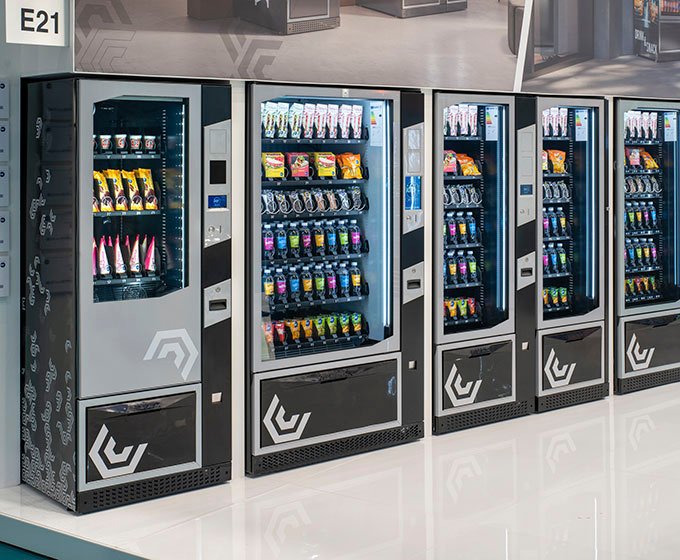
A vending machine is a self-service retail machine that allows customers to purchase products without interacting with a cashier. Modern vending machines can sell everything from snacks and cold beverages to fresh food, electronics accessories, personal-care products, and specialty items.
Vending has also evolved beyond traditional coin-operated machines. Today’s equipment can include credit and debit card readers, mobile payments, touchscreens, remote inventory monitoring, refrigeration, and smart inventory technology.
For entrepreneurs, vending machines can provide a relatively accessible way to enter unattended retail. For businesses, apartments, schools, gyms, hospitals, hotels, and other organizations, they offer convenient access to products where a traditional store may not be practical.


6
What Is a Vending Machine?
A vending machine is an automated retail device that accepts payment and dispenses a selected product. Traditional machines commonly accepted coins and bills, while modern machines increasingly support credit cards, debit cards, contactless payments, and mobile wallets.
The basic process is simple:
- A customer selects a product.
- The customer pays using an available payment method.
- The machine verifies the transaction.
- The product is dispensed.
- The operator receives the sale and later restocks the machine.
For vending operators, the real business is more than owning a machine. Success depends on location, product selection, pricing, inventory management, maintenance, payment technology, and customer demand.
Types of Vending Machines
There isn’t one best vending machine for every location. The right machine depends on the customers, products, available space, electrical requirements, and expected sales volume.
1. Snack Vending Machines
Snack vending machines are designed for products such as:
- Chips
- Cookies
- Crackers
- Candy
- Granola bars
- Protein bars
- Nuts
- Popcorn
- Pastries
- Other packaged snacks
They are particularly suitable for offices, factories, schools, hotels, apartment buildings, waiting areas, and recreational facilities.
2. Beverage Vending Machines
Beverage machines typically sell:
- Bottled water
- Soda
- Sports drinks
- Energy drinks
- Juice
- Iced tea
- Coffee beverages
- Other bottled or canned drinks
Because many beverages need refrigeration, beverage machines typically require appropriate electrical power and ventilation.
3. Combo Vending Machines
A combo vending machine combines snacks and beverages in one machine.
This can be useful when floor space is limited or when an operator wants to provide customers with multiple product categories without installing separate machines.
4. Healthy Vending Machines
Healthy vending has become an increasingly popular concept. Depending on the location, products can include:
- Nuts and seeds
- Protein bars
- Low-sugar snacks
- Granola
- Popcorn
- Dried fruit
- Bottled water
- Unsweetened beverages
- Protein drinks
The key is to match the product selection to the audience rather than simply labeling a machine “healthy.” Recent vending-industry guidance highlights demand for products such as high-protein, high-fiber, gluten-free, and lower-sugar options.
5. Fresh Food Vending Machines
Fresh-food machines can sell products such as:
- Sandwiches
- Salads
- Prepared meals
- Yogurt
- Fresh snacks
- Meal kits
These machines require greater attention to refrigeration, expiration dates, food handling, and applicable local regulations.
6. Specialty Vending Machines
Specialty vending focuses on a particular need rather than general snacks and drinks.
Examples include machines selling:
- Phone chargers
- Electronics accessories
- Personal-care products
- PPE
- Beauty products
- Toys
- Convenience items
- Specialty foods
A specialty machine can perform particularly well when it solves a specific problem for a clearly defined audience.
7. Smart Vending Machines
Smart vending machines can incorporate:
- Touchscreens
- Cashless payments
- Mobile payments
- Remote inventory monitoring
- Telemetry
- Digital product displays
- Automated sales reporting
- Connected sensors
Some smart vending and automated-retail systems can also support refrigerated, frozen, or ambient products and provide remote inventory information.
How Much Does a Vending Machine Cost?
The cost of a vending machine varies substantially depending on its type, condition, capacity, refrigeration, payment technology, and automation.
As a broad 2026 planning range, current industry guides report approximately:
| Machine Type | Typical Price Range |
|---|---|
| Used traditional machine | $500–$3,000+ |
| New standard snack/drink machine | $3,000–$7,000+ |
| New combo machine | $5,000–$9,000+ |
| Smart vending machine | $8,000–$15,000+ |
| Specialty machines | $2,000–$15,000+ |
These are planning ranges, not guaranteed retail prices. Actual prices depend on the manufacturer, configuration, shipping, payment system, refrigeration, warranty, and installation. Current 2026 business guides show similarly wide ranges across used, refurbished, standard, combo, and smart machines.
Remember that the machine isn’t the only startup expense.
You may also need to budget for:
- Initial inventory
- Delivery
- Installation
- Business registration
- Permits and licenses
- Insurance
- Payment-processing equipment
- Cellular/telemetry service
- Location commissions
- Maintenance
- Repairs
- Transportation
- Storage
Is a Vending Machine Business Profitable?
Yes, a vending machine business can be profitable, but profitability isn’t automatic.
The most important factor is usually location quality.
A machine in a busy facility with a consistent customer base can dramatically outperform an identical machine placed somewhere with little foot traffic.
Your basic vending-machine economics can be thought of as:
Revenue − product cost − location commission − payment fees − maintenance − transportation − other operating expenses = profit
For example, suppose a machine generates $1,000 in monthly sales. If merchandise costs, location fees, payment processing, transportation, maintenance, and other expenses consume $750, the remaining $250 is operating profit before taxes and other business-level costs.
Don’t judge a location based solely on sales. Track the net profit generated relative to the time and money required to service it.
What Is the Best Location for a Vending Machine?
Location is one of the most important parts of a vending business.
Potential locations include:
Offices
Office buildings can provide recurring demand for coffee, drinks, snacks, and quick meals.
Manufacturing Facilities
Factories and warehouses can be attractive because employees may work long shifts and have limited access to nearby food.
Apartment Communities
Apartment complexes can provide a recurring customer base, particularly when machines are placed in common areas.
Gyms and Fitness Centers
Gyms may be a good fit for:
- Water
- Electrolyte drinks
- Protein products
- Healthy snacks
- Energy drinks
Hotels
Hotels can use vending machines to provide guests with convenient snacks and beverages outside normal food-service hours.
Hospitals and Healthcare Facilities
Healthcare facilities can have demand from employees, visitors, and patients, although product selection and placement requirements may be more restrictive.
Schools and Colleges
Educational facilities can have significant demand, but operators should check applicable school, nutritional, purchasing, and local requirements before placing machines.
Laundromats
Customers waiting for laundry can be a natural audience for snacks and beverages.
Transportation Locations
Airports, bus terminals, train stations, and other transportation hubs can have high traffic but may involve more complicated contracts, competition, security requirements, and fees.
How to Find a Good Vending Machine Location
Before buying a machine, investigate the location.
Ask:
- How many people visit the property each day?
- How long do they typically stay?
- Are there nearby restaurants or convenience stores?
- What products do customers currently buy?
- Are there existing vending machines?
- How much does the property owner charge?
- Is electricity available?
- Is the location secure?
- Can the machine be easily accessed for restocking?
- Are customers there evenings or weekends?
- Is there enough room for the machine?
- Does the location provide an accessible route?
A great location can make an average machine perform well; a poor location can make an expensive machine underperform.
What Should You Put in a Vending Machine?
Product selection should be based on actual customer behavior.
A basic snack-and-drink machine might include:
Popular Snacks
- Potato chips
- Pretzels
- Cookies
- Crackers
- Candy
- Granola bars
- Nuts
- Popcorn
Beverage Options
- Bottled water
- Soda
- Sports drinks
- Energy drinks
- Juice
- Iced tea
Better-for-You Options
- Protein bars
- Trail mix
- Nuts
- Low-sugar snacks
- Sparkling water
- Reduced-sugar beverages


6
The Most Important Rule: Test, Don’t Guess
Don’t fill every slot with the products you personally like.
Instead:
- Start with a balanced product mix.
- Track individual sales.
- Identify slow-moving products.
- Replace weak products.
- Increase inventory for popular products.
- Adjust prices when necessary.
- Repeat the process.
Over time, each location should develop its own product mix.
Cashless Payments Are Important
Modern customers increasingly expect to pay with cards and mobile devices.
A contemporary vending machine may support:
- Credit cards
- Debit cards
- Contactless cards
- Mobile wallets
- QR-based payments
- Cash
Cashless payment technology can also make vending operations easier to monitor. Some systems provide transaction information and machine telemetry, allowing operators to understand sales and inventory without physically visiting every machine.
Current vending-business research describes cashless capability as a baseline feature for many modern vending operations, although the precise effect on sales varies by location.


7
How to Start a Vending Machine Business
If you’re considering starting a vending machine business, follow a structured process.
Step 1: Research Your Market
Identify:
- Potential customers
- Competitors
- Local demand
- Available locations
- Product preferences
- Typical pricing
Step 2: Choose a Business Model
Decide whether you want to operate:
- Traditional snack machines
- Beverage machines
- Combo machines
- Healthy vending
- Fresh food vending
- Specialty vending
- Smart vending
Step 3: Secure a Location Before Buying Equipment
This is one of the most important principles for a new operator.
Don’t buy several machines and then hope to find places for them.
Instead, find promising locations first, negotiate the placement arrangement, and then select equipment appropriate for those locations.
Step 4: Choose Your Machine
Compare:
- New vs. used
- Capacity
- Refrigeration
- Product dimensions
- Payment options
- Energy consumption
- Warranty
- Replacement parts
- Remote monitoring
- Security features
Step 5: Handle Business Requirements
Depending on your location and products, you may need business registration, sales-tax registration, vending permits, food-related permits, insurance, or other approvals.
Requirements vary by state, county, and city, so verify them with the relevant local and state authorities before operating.
Step 6: Stock the Machine
Start with products that make sense for the location and maintain enough inventory to avoid frequent stockouts.
Step 7: Monitor Performance
Track:
- Gross sales
- Units sold
- Product-level sales
- Product cost
- Payment fees
- Location commission
- Service visits
- Spoilage
- Repairs
- Net profit
Step 8: Optimize
Remove poor-selling products and replace them with products customers actually want.
Then use what you learn from your first location to improve the next one.
Vending Machine Maintenance
A vending machine is still a piece of equipment and requires routine maintenance.
Regularly inspect:
- Product dispensing mechanisms
- Motors
- Spiral coils
- Door seals
- Refrigeration systems
- Lights
- Displays
- Card readers
- Bill validators
- Coin mechanisms
- Locks
- Electrical connections
- Interior cleanliness
A machine that is frequently out of service can lose customers and sales.
For refrigerated machines, temperature monitoring and proper maintenance are especially important.
Vending Machines and Accessibility
Accessibility should be considered when selecting and installing a vending machine.
In the United States, ADA requirements can apply to vending machines and their placement. The ADA Standards address vending machines under Section 228 and reference accessibility requirements for their operation.
Placement is also important. An accessible route should remain clear and unobstructed; ADA guidance specifically notes that vending machines and similar equipment should not block accessible routes.
Before installation, evaluate:
- Clear floor space
- Approach and maneuvering area
- Machine controls
- Product retrieval
- Accessible routes
- Placement relative to doors and pathways
For a commercial installation, consult the applicable accessibility requirements for the facility and jurisdiction.
Vending Machine vs. Traditional Retail Store
One of the biggest advantages of vending is its small physical footprint.
| Vending Machine | Traditional Store |
|---|---|
| Small footprint | Larger space required |
| Unattended sales | Employees generally required |
| Lower overhead potential | Higher operating overhead |
| Limited product selection | Large product selection |
| Convenient 24/7 access | Operating hours vary |
| Easier to place in many locations | Requires dedicated premises |
| Requires regular restocking | Requires continuous inventory management |
Vending isn’t necessarily “passive income.” It is better viewed as an unattended retail business that still requires product sourcing, route management, restocking, maintenance, customer service, and financial management.
New vs. Used Vending Machines
New Vending Machine
Advantages:
- New equipment
- Warranty potential
- Modern payment technology
- Better energy efficiency in some models
- Latest features
Disadvantages:
- Higher upfront cost
- Longer time to recover the investment
Used Vending Machine
Advantages:
- Lower purchase price
- Can be a practical way to test a location
- Replacement equipment may be readily available
Disadvantages:
- Potentially higher repair costs
- Older payment technology
- Possible refrigeration issues
- Less predictable condition
For a first machine, the best choice isn’t necessarily the cheapest machine. Consider total cost of ownership and whether the machine is appropriate for the location.
How to Make a Vending Machine More Profitable
Several strategies can improve vending performance.
1. Choose the Location Carefully
Location generally matters more than having the newest machine.
2. Offer Cashless Payment
Make purchasing convenient for customers who don’t carry cash.
3. Analyze Product Sales
Don’t allow slow-moving products to occupy valuable inventory space indefinitely.
4. Price According to the Market
Your prices need to cover product costs and operating expenses while remaining reasonable for the location.
5. Keep Machines Full and Clean
A machine that looks neglected can discourage repeat purchases.
6. Reduce Service Trips
Route machines geographically so that restocking and maintenance visits are efficient.
7. Use Remote Monitoring
Where economically justified, telemetry can help identify low inventory and equipment problems before making unnecessary trips.
8. Test Specialty Products
A location-specific product can sometimes outperform generic vending products because it solves a particular customer need.
Common Vending Machine Mistakes
New operators frequently make mistakes that can reduce profitability.
Buying the Machine Before Finding the Location
The machine should serve the location—not the other way around.
Choosing Products Without Testing Demand
A product that sells well in one location may perform poorly in another.
Ignoring Payment Technology
A cash-only machine can create unnecessary friction in locations where customers primarily use cards or mobile payments.
Underestimating Maintenance
Budget for repairs and routine servicing.
Overstocking Slow Products
Expired or unsold inventory reduces margins.
Treating Vending as Completely Passive
You still need to restock, clean, maintain, troubleshoot, collect revenue, manage inventory, and communicate with locations.
Frequently Asked Questions About Vending Machines
Are vending machines profitable?
They can be, but profitability varies substantially by location, product mix, pricing, machine type, and operating expenses. A machine’s sales should always be evaluated against its full operating costs.
How much money do you need to start a vending machine business?
The amount varies considerably. Current 2026 guides put startup costs anywhere from a few thousand dollars for a basic used setup to substantially more for new combo or smart machines.
What is the best vending machine to start with?
For many new operators, a snack machine, beverage machine, or combo machine can be a straightforward starting point. The best choice depends on the location and customer demand.
Where is the best place to put a vending machine?
Locations with a consistent population of potential customers and limited convenient alternatives can be attractive. Offices, factories, apartment communities, gyms, hotels, and other high-traffic environments are common possibilities.
Do vending machines accept credit cards?
Many modern machines support credit and debit cards as well as contactless payments. Cashless payment capability is increasingly common in modern vending.
How often should a vending machine be restocked?
There is no universal schedule. Restocking frequency should be based on sales velocity, machine capacity, product shelf life, and location traffic. High-volume machines may need service several times per week, while slower locations may require less frequent visits.
Can you put a vending machine anywhere?
No. You generally need permission from the property owner or operator, and local business, tax, health, electrical, zoning, accessibility, and other requirements may apply depending on the location and products.
Are healthy vending machines profitable?
They can be, particularly when the products match the audience. Gyms, offices, schools, healthcare environments, and wellness-focused facilities may have demand for healthier snacks and beverages. However, profitability depends on actual sales rather than the “healthy” label alone.
The Future of Vending Machines
The vending industry is moving toward cashless payments, connected machines, remote monitoring, smart inventory management, touchscreen interfaces, and specialized product offerings.
The traditional machine that accepts coins and dispenses candy is still relevant, but unattended retail is becoming more sophisticated. Smart vending systems can provide operators with better visibility into sales and inventory while giving customers a faster checkout experience.


6
For entrepreneurs, that creates opportunities to move beyond generic snacks and beverages and develop location-specific vending solutions.
Final Thoughts: Is a Vending Machine Right for You?
A vending machine can be a useful business asset, a convenient amenity for customers, or an additional revenue channel for a property.
But the machine itself isn’t the business.
The winning combination is the right machine + the right location + the right products + convenient payment + consistent service.
If you’re considering buying a vending machine, start by researching your target location and customer. Determine what people want to buy, how frequently they visit, what alternatives are nearby, and what your operating costs will be.
Then choose the equipment that fits the opportunity.
That approach is far more reliable than simply buying a machine and hoping customers appear.