
Snack Vending Machine for Sale
Original price was: $2,999.00.$2,495.00Current price is: $2,495.00.
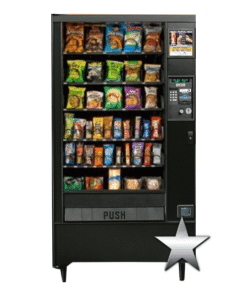
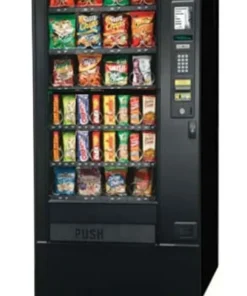
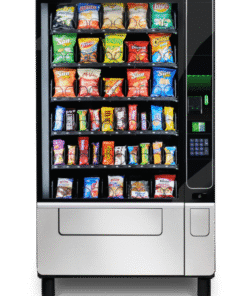
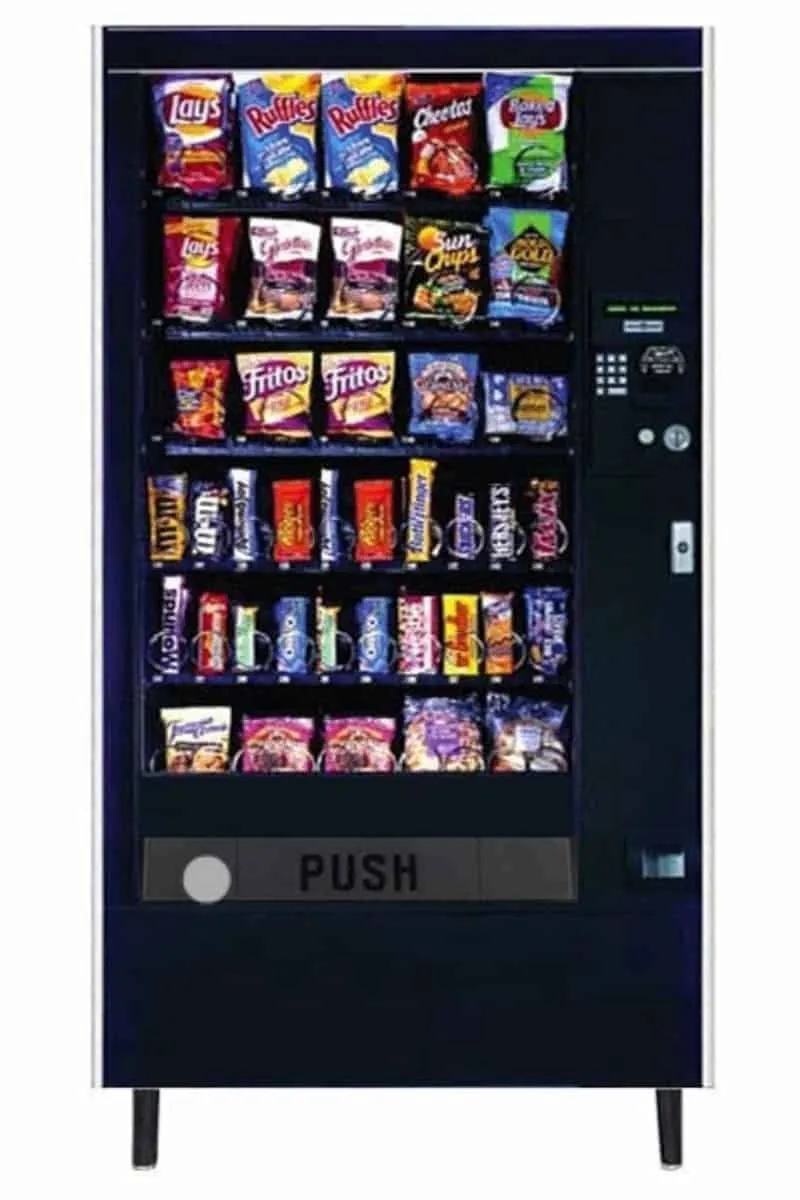
Snack Vending Machine for Sale: The Automatic Products 123 is a versatile, refrigerated vending machine engineered to expand your offerings beyond traditional snacks. This reliable workhorse combines the trusted spiral-delivery mechanics of the AP family with a commercial-grade cooling system, allowing you to vend a profitable mix of cold food items like sandwiches, salads, yogurt, and fresh fruit alongside standard chips and candy bars.
Perfect for locations with a captive audience needing convenient meal solutions—such as hospitals, 24-hour facilities, universities, and office parks—the AP 123 unlocks higher revenue per transaction. Its insulated cabinet maintains safe, consistent temperatures to ensure product freshness, while its familiar serviceability keeps operations efficient.
Ideal for operators looking to diversify their route and capture the valuable cold-food market, the Automatic Products 123 is the strategic choice for turning a simple break room into a full-service food destination.
The Definitive Guide to the Automatic Products 123 Snack & Cold Food Machine
Snack Vending Machine for Sale: (Automatic Products 123 snack machine)Table of Contents
-
Introduction: The Versatile Cold Food Platform
-
Specifications & Design: The Refrigerated Cabinet
-
Dual-Purpose Vending: Snacks & Cold Food Explained
-
Refrigeration System: The Heart of the AP 123
-
Spiral Delivery in a Cold Environment
-
Key Features & Technological Framework
-
Benefits for Vending Operators
-
Target Markets & Ideal Product Mix
-
Installation: Critical Steps for Refrigerated Units
-
Programming & Temperature Management
-
Loading Strategies for Perishable & Non-Perishable Goods
-
Daily Operations & Food Safety Protocols
-
Preventative Maintenance for Refrigeration & Mechanics
-
Troubleshooting Common AP 123 Issues
-
Modernization: Upgrades for a Cold Food Machine
-
The Refurbished AP 123 Market
-
Cost Analysis & ROI for Cold Food Vending
-
AP 123 vs. Other Combo & Cold Food Machines
-
Frequently Asked Questions (FAQ)
-
Conclusion: Mastering the Cold Food Opportunity
1. Introduction: The Versatile Cold Food Platform
In the diverse ecosystem of vending machines, few models offer the strategic versatility of the Automatic Products 123. This machine represents a significant category: the refrigerated combo vendor, capable of vending both traditional ambient snacks and a wide array of cold food items. Engineered by Automatic Products International, the AP 123 was designed to capture a broader share of the consumer’s food budget by providing convenient, refrigerated meal solutions alongside everyday snacks. It bridged the gap between a simple snack machine and a dedicated refrigerated food vendor, making it an ideal solution for locations with demand for sandwiches, salads, yogurts, dairy products, and fresh fruit.
The Automatic Products 123 is more than just a cooler with spirals; it is a precisely controlled refrigerated cabinet integrated with AP’s reliable vending mechanics. For operators, it opened doors to new locations—hospitals, 24-hour businesses, educational facilities, and office parks—where access to fresh, cold food is a valued amenity. Success with the AP 123 requires understanding not only vending mechanics but also basic food safety, refrigeration principles, and perishable inventory management. This comprehensive guide from VendingMachines.com will explore every facet of the Automatic Products 123, providing the knowledge needed to deploy, manage, and profit from this powerful and versatile vending platform.
2. Specifications & Design: The Refrigerated Cabinet: Snack Vending Machine for Sale
The Automatic Products 123 shares the robust family lineage of AP machines but is distinguished by its insulated, refrigerated cabinet.
Physical Dimensions & Layout:
-
Height: 75 inches
-
Width: 39 inches (standard AP width)
-
Depth: 35 inches
-
Weight: Approximately 700 lbs (empty), heavier due to insulation and refrigeration components.
-
Capacity: Configurations vary, but the AP 123 typically features a 5-column by 7-row grid, offering 35 selectable spirals. Total capacity is around 150-200 items, depending on the mix of bulky cold food packages and smaller snack bags.
-
Vend Mechanism: Utilizes AP’s signature individual motor-driven helical spirals, mounted on shelves within the refrigerated space.
-
Construction: Heavy-duty steel exterior with thick foam insulation between the inner liner and outer shell. The door is heavily insulated and features a robust gasket to maintain an airtight seal. The interior is a durable, cleanable white liner.
-
Refrigeration: Self-contained, forced-air cooling system (detailed in Section 4).
-
Display & Interface: Equipped with a backlit LCD or vacuum fluorescent display capable of showing messages like “INSERT COINS” and “THANK YOU,” similar to other Silver Star-era AP machines.
-
Power: 115V, 60Hz, 15-20 amp dedicated circuit required due to the compressor load.
Design Philosophy: Food-Safe Vending. The AP 123 is designed to maintain a consistent, safe holding temperature (typically 34-40°F) for perishable goods. All internal materials are suitable for food contact, and the design prioritizes maintaining cold chain integrity during the vending process.::Snack Vending Machine for Sale::Snack Vending Machine for Sale
3. Dual-Purpose Vending: Snacks & Cold Food Explained
The core value proposition of the Automatic Products 123 is its ability to house two distinct product categories in one footprint.:::Snack Vending Machine for Sale
A. Cold Food Items (The Primary Differentiator):
-
Pre-packaged Sandwiches & Wraps: The staple of cold food vending.
-
Salads (with dressings on the side): Popular for healthier options.
-
Yogurt, Pudding, and Fruit Parfaits.
-
Hard-Boiled Eggs, Cheese Packs, and Protein Boxes.
-
Fresh Fruit (e.g., apples, bananas, oranges) – though these require careful rotation.
-
Pre-packaged Pasta Salads and Snack Trays.
B. Traditional Snacks (The Reliable Base):
-
Chips, Crackers, and Pretzels. These can be safely stored at refrigerated temperatures, though texture may be slightly affected.
-
Candy Bars. Chocolate is stabilized in the cold, preventing melting.
-
Pastries and Muffins. Some are suited for cold storage.
-
Granola and Cereal Bars.
Strategic Mix: A typical AP 123 might allocate 20 spirals for cold food and 15 for traditional snacks. The cold food commands higher prices ($3.00 – $5.00+) and drives the machine’s primary appeal, while the snacks provide consistent volume and fill out the selection.
4. Refrigeration System: The Heart of the AP 123
The reliability of the refrigeration system is paramount. It operates on the same basic principle as a household refrigerator but is built for commercial duty cycles.:::Snack Vending Machine for Sale
Key Components:
-
Compressor: The pump that circulates refrigerant. It’s hermetically sealed and designed for frequent starts and stops.
-
Condenser Coils: Usually located at the bottom rear of the machine or underneath. These coils dissipate heat from the compressed refrigerant into the surrounding air. They have a fan to aid this process.
-
Evaporator Coils & Fan: Located inside the machine, usually at the top. The liquid refrigerant expands here, absorbing heat from the cabinet’s interior air. A fan (the evaporator fan) blows air over these cold coils and circulates it throughout the cabinet, ensuring even temperature distribution.
-
Thermostat or Electronic Control: Monitors the interior temperature and cycles the compressor on and off to maintain the set point (e.g., 38°F).
-
Defrost System: To prevent frost buildup on the evaporator coils, which would insulate them and ruin efficiency, the AP 123 has an automatic defrost cycle. This typically involves a heating element that briefly warms the coils while the compressor is off, melting any frost. The water drains into a pan and evaporates.
Temperature Band: The machine must maintain a temperature at or below 40°F (4°C) to comply with food safety guidelines, with a target range of 34-38°F (1-3°C) being ideal for product quality and safety.
5. Spiral Delivery in a Cold Environment
The vending mechanism is the same reliable AP spiral system, but operating in a cold, moist environment presents unique considerations.::Snack Vending Machine for Sale
The Cold Vending Process:
-
Products are loaded onto spirals within the refrigerated space.
-
When a selection is made, the specific spiral motor (located inside the cold area) activates.
-
The product is pushed off the spiral. Due to the cold, some products with sticky wrappers or condensation may require slightly more force.
-
The product drops down a chute that is within the refrigerated compartment until the last possible moment, exiting through a thermally insulated delivery flap to the ambient-temperature bin.
-
This design minimizes “cold loss” each time a product is vended.
Challenges & Solutions:
-
Condensation: Products brought from a warm truck into a cold machine will “sweat.” This moisture can make bags slippery or cause labels to peel. The solution is to allow products to acclimate slightly before loading and to keep the machine’s door closed as much as possible during service.
-
Motor Performance: DC motors function fine in the cold, but lubrication can become more viscous. Using appropriate, food-safe lubricants on moving parts is crucial.
-
Material Fatigue: Constant cold can make some plastics slightly more brittle over time. Regular inspection of spirals and shelves is important.
6. Key Features & Technological Framework
The Automatic Products 123 incorporates features necessary for its dual mission.
-
Digital Temperature Control & Display: Later models (often Silver Star) allow the set point to be programmed and viewed, and may log temperature history—a critical feature for food safety compliance (HACCP).
-
Alarmed Door Switch: To alert the operator if the door is left ajar, which would compromise temperature and food safety.
-
MDB Compatibility: For integration with modern cashless systems, essential for the higher price points of cold food.
-
Enhanced Insulation & Gaskets: Thicker than a snack-only machine to maintain temperature efficiently and reduce compressor runtime.
-
Drainage System: For the defrost cycle meltwater, preventing ice buildup inside the cabinet.::Snack Vending Machine for Sale
7. Benefits for Vending Operators
-
Higher Revenue Per Transaction: Cold food items command significantly higher prices than snacks, boosting the machine’s average sale and gross revenue.
-
Diversification & Location Stickiness: Offering food makes your service indispensable to a location, reducing the risk of being replaced by a competitor. It meets a broader need.
-
Access to New Location Types: Hospitals, 24-hour operations, colleges, and businesses with limited food access are prime targets specifically for cold food machines.
-
Premium Commission Potential: The higher revenue generated can justify and support paying a higher commission rate to secure premium locations.
-
Extended Consumer Daypart: Snacks are often afternoon-oriented. Cold food sells at lunch, breakfast (yogurt, pastries), and even during night shifts, flattening the sales curve throughout the day.
8. Target Markets & Ideal Product Mix
The AP 123 is a solution for locations with a captive audience needing convenient meal solutions.
Prime Target Locations:
-
Hospitals & Medical Centers: For staff working long, irregular hours. A huge market for salads, sandwiches, and yogurt.
-
24-Hour Operations: Call centers, manufacturing plants, police/fire stations. Provides food access when cafeterias are closed.
-
Universities & Colleges: In dorm buildings, libraries, or academic buildings away from the main dining hall.
-
Office Parks with Limited Food Options: Where going out for lunch is inconvenient.
-
Fitness Centers & Gyms: For post-workout protein shakes, yogurt, and healthy snacks.
-
Transportation Hubs (Staff Areas): For bus drivers, airline staff, etc.::Snack Vending Machine for Sale
Sample Product Mix (35 Spirals):
-
Cold Food (20 Spirals):
-
5x Pre-made Sandwiches/Wraps (varied types)
-
3x Salads (Garden, Caesar, Protein)
-
4x Yogurt & Parfait
-
2x Hard-Boiled Eggs/Cheese Packs
-
3x Fresh Whole Fruit
-
2x Pasta Salad/Snack Box
-
1x Specialty Item (e.g., sushi, high-end salad)
-
-
Traditional Snacks (15 Spirals):
-
5x Chip Bags
-
5x Candy Bars
-
3x Pastries/Muffins (can be cold)
-
2x Granola/Nut Bars
-
9. Installation: Critical Steps for Refrigerated Units
Installation is more demanding than for a standard snack machine.
-
Site Selection is Critical: Never place in direct sunlight or next to an oven/heat source. This will force the compressor to run continuously, leading to early failure and unsafe temperatures. Ambient room temperature should ideally be below 80°F.
-
Electrical Requirements: A dedicated 15-20 amp circuit is mandatory. The compressor startup draw is high. Using a shared circuit will cause tripped breakers.
-
Ventilation Space: Allow a minimum of 6-8 inches of clearance on all sides, especially around the condenser coil location (usually rear/bottom). Restricted airflow is the #1 cause of refrigeration failure.
-
Precise Leveling: As with all spiral machines, level the cabinet perfectly on its frame to ensure proper spiral operation.
-
The 24-Hour Temperature Pull-Down: This is non-negotiable. Plug in the machine and let it run empty for a full 24 hours before loading any product. Use a calibrated thermometer to verify the internal temperature has stabilized at or below 38°F. This ensures the system is working correctly and doesn’t waste energy cooling a mass of warm product.
10. Programming & Temperature Management
Vending Programming: Similar to other AP machines with G-Series boards. Key steps include naming selections clearly (e.g., “TURKEY SW,” “GREEK YOG”) and setting appropriate prices ($3.50-$5.00 for food, $1.25-$2.00 for snacks).:::Snack Vending Machine for Sale
Temperature Configuration (If equipped):
-
Access the temperature control parameters in the service menu.
-
Set Point: Program the target temperature (e.g., 36°F).
-
Alarm Parameters: Set high-temperature alarm thresholds (e.g., alert if cabinet exceeds 42°F for more than 30 minutes).
-
Defrost Cycle Duration & Frequency: Usually pre-set, but can be adjusted for very humid environments.
HACCP Logging: Advanced models may store temperature data that can be downloaded via DEX or a service tool, providing a log for food safety audits.
11. Loading Strategies for Perishable & Non-Perishable Goods
This is where cold food vending becomes an art and a science.
The FIFO Imperative: First In, First Out. This is the golden rule. You must rotate stock so the oldest product is at the front of the spiral and sells first.:::Snack Vending Machine for Sale
Loading Procedure:
-
Pre-Cool Product When Possible: Store delivery totes in a refrigerated truck. The less thermal mass you add, the better.
-
Minimize Door Open Time: Have a plan. Load all products for a given shelf at once. Do not leave the door open while counting money or performing other tasks.
-
Rotate Meticulously: For each spiral, remove any unsold product, place the new product at the back of the spiral, and then put the old product in front of it.
-
Check Dates Religiously: During every service visit, check the expiration or “sell-by” date of every single cold food item. Remove any product within 24-48 hours of its date.
-
Sanitation: Wipe down spills immediately. Periodically clean the interior shelves and liner with a food-safe sanitizer.:::Snack Vending Machine for Sale
12. Daily Operations & Food Safety Protocols
Route Driver as Food Safety Officer: The driver’s role expands significantly with an AP 123.
-
Temperature Check First: Upon arrival, the driver must check and record the machine’s display temperature or use a handheld thermometer through the delivery bin. This log is a critical food safety record.
-
Visual Inspection: Look for any defrost water leakage, ice buildup, or products that look spoiled (swollen packaging, discoloration).
-
Aggressive Out-of-Date Management: Pulling soon-to-expire product is not a loss; it’s a cost of doing business that protects your reputation and prevents liability.
-
Data-Driven Restocking: DEX data is even more crucial. It tells you exactly what sold, allowing you to tailor orders to demand and minimize waste. A sandwich that sells 5x a week gets 5 delivered; one that sells 1x gets 1.::Snack Vending Machine for Sale
13. Preventative Maintenance for Refrigeration & Mechanics
A rigorous schedule is essential to protect your food inventory and machine investment.
Weekly/Service Visit:
-
Clean door gasket, check for seal integrity.
-
Visually inspect evaporator coil (inside) for excessive frost.
Monthly:
-
Clean Condenser Coils: This is the single most important maintenance task. Dirty coils cause high pressure, compressor overheating, and failure. Use a coil brush and vacuum. Do this every month in dusty environments.::Snack Vending Machine for Sale
-
Check evaporator fan is running (listen for airflow).
Quarterly:
-
Inspect and clean the drain pan and tube for the defrost system. A clogged drain leads to water leaking inside the cabinet and ice formation.
-
Lubricate door hinges and delivery flap with food-grade lubricant.
Semi-Annually:
-
Perform a full electrical check on the compressor (amp draw) and thermostat calibration using professional tools.
-
Deep clean the entire interior with a food-safe cleaner.
14. Troubleshooting Common AP 123 Issues
-
Machine Not Cold Enough / Warm Food:
-
Cause #1 (90%): Dirty condenser coils.
-
Cause #2: Failed evaporator fan (no cold air circulating inside).
-
Cause #3: Door left ajar, bad gasket, or excessive door openings.
-
Cause #4: Low refrigerant charge or failing compressor.
-
Fix: Clean coils first. Listen for internal fan. Check door seal. Refrigerant issues require a certified technician.::Snack Vending Machine for Sale
-
-
Excessive Frost/Ice Buildup on Evaporator Coils:
-
Cause: Failed defrost heater, defective defrost timer/control, or a clogged drain line causing water to re-freeze.
-
Fix: Check defrost components per the technical manual. Clear the drain line.
-
-
Water Leaking Inside Cabinet or on Floor:
-
Cause: Clogged defrost drain line or pan.
-
Fix: Locate and clear the obstruction in the drain tube.
-
-
Spiral Motor Fault in Cold:
-
Cause: Condensation causing electrical short, or a standard motor/coupler failure.
-
Fix: Ensure motor connectors are dry. Replace motor or coupler as standard.
-
15. Modernization: Upgrades for a Cold Food Machine
-
Remote Temperature Monitoring (Critical Upgrade): Add a cellular telemetry device that reports cabinet temperature every 15 minutes. You receive an immediate alert if the temperature rises into the danger zone, allowing you to save inventory and address the issue before food spoils.
-
Advanced Cashless Systems: Essential for high-ticket food items. Integration allows for mobile pre-pay and pickup, a growing trend.
-
LED Lighting: Reduces heat load inside the cabinet compared to fluorescent tubes, making the compressor’s job slightly easier.Snack Vending Machine for Sale
16. The Refurbished AP 123 Market
A refurbished Automatic Products 123 is an excellent entry into cold food vending. A quality refurbishment must address:
-
Complete Refrigeration Overhaul: Cleaning/replacing coils, testing compressor and fans, replacing thermostat, evacuating and recharging the refrigerant system to spec.
-
Cabinet Seal Renewal: Replacing the door gasket and checking liner integrity.
-
Standard Mechanical & Electronic Refurb: As with any AP machine.
-
Sanitization: Full food-safe cleaning of the interior.
-
Price Range: $3,000 – $4,500 for a fully refurbished, warrantied unit.
17. Cost Analysis & ROI for Cold Food Vending
The model is higher cost, higher margin.
Sample Investment:
-
Refurbished AP 123: $3,800
-
Cashless/Temperature Telemetry Kit: $800
-
Total: $4,600
ROI Scenario (Hospital Break Room):
-
Avg. Sale: $3.50 (blend of food and snacks)
-
Weekly Sales: 200 items
-
Weekly Gross: 200 x $3.50 = $700
-
Weekly Costs: Product (45% due to food cost): $315. Commission (25%): $175. Misc (10%): $70. Total Cost: $560
-
Weekly Net Profit: $700 – $560 = $140
-
Payback Period: $4,600 / $140 = ~33 weeks (8 months).
The spoilage risk is baked into the higher product cost percentage. Success depends on precise inventory management to keep waste below 5%.
18. AP 123 vs. Other Combo & Cold Food Machines
-
Vs. AP 112/933 (Snack Only): The AP 123 is for locations demanding perishable food. It’s a different business model.
-
Vs. Dedicated Cold Food Machines (e.g., larger refrigerated vendors): The AP 123 offers a hybrid approach, reducing risk by including snacks. Dedicated food machines have larger capacity but less variety.
-
Vs. Glass-Front Combos (with refrigeration): Machines like the National 168 combine snacks and drinks, not cold food. The AP 123 fills a different niche (food + snacks).
19. Frequently Asked Questions (FAQ)
Q: What is the shelf life of products in an AP 123?
A: It’s a holding cabinet, not a refrigerator that extends life. You must adhere to the product’s published “sell-by” or expiration date, typically 3-7 days for sandwiches/salads from a commissary.
Q: Can I vend frozen items?
A: No. The AP 123 holds at refrigerator temperatures, not freezer temperatures (0°F). Attempting to vend frozen items will result in them thawing and becoming unsafe.
Q: Who is liable if someone gets sick from food?
A: The operator is ultimately liable for the products they sell. This is why rigorous food safety protocols, temperature monitoring, and product rotation are non-negotiable. Insurance specifically covering product liability is essential.
Q: How do I find a supplier for cold food?
A: Sources include: local commissaries, broadline food distributors (Sysco, US Foods), regional sandwich companies, and national vending food suppliers.
Q: Is the machine noisy?
A: You will hear the compressor cycle on and off, similar to a large refrigerator. The evaporator fan runs almost constantly. It’s noticeable but generally acceptable for a break room.
20. Conclusion: Mastering the Cold Food Opportunity
The Automatic Products 123 is a specialized tool that unlocks a higher-value, more demanding segment of the vending market. It represents a commitment to operational excellence in food safety, inventory precision, and mechanical maintenance. The rewards for mastering it are substantial: deeper relationships with locations, significantly higher revenue per stop, and a diversified business that is less vulnerable to snack food trends.
Operating an AP 123 successfully transforms a vending operator into a true food service provider. It demands more knowledge and discipline than standard vending, but in return, it builds a more resilient and profitable enterprise. For the operator ready to step up, the Automatic Products 123 remains a proven, reliable platform to build a successful cold food vending route. It is the gateway to capturing the daily meal occasion, one of the most valuable opportunities in convenience services.
Related products