

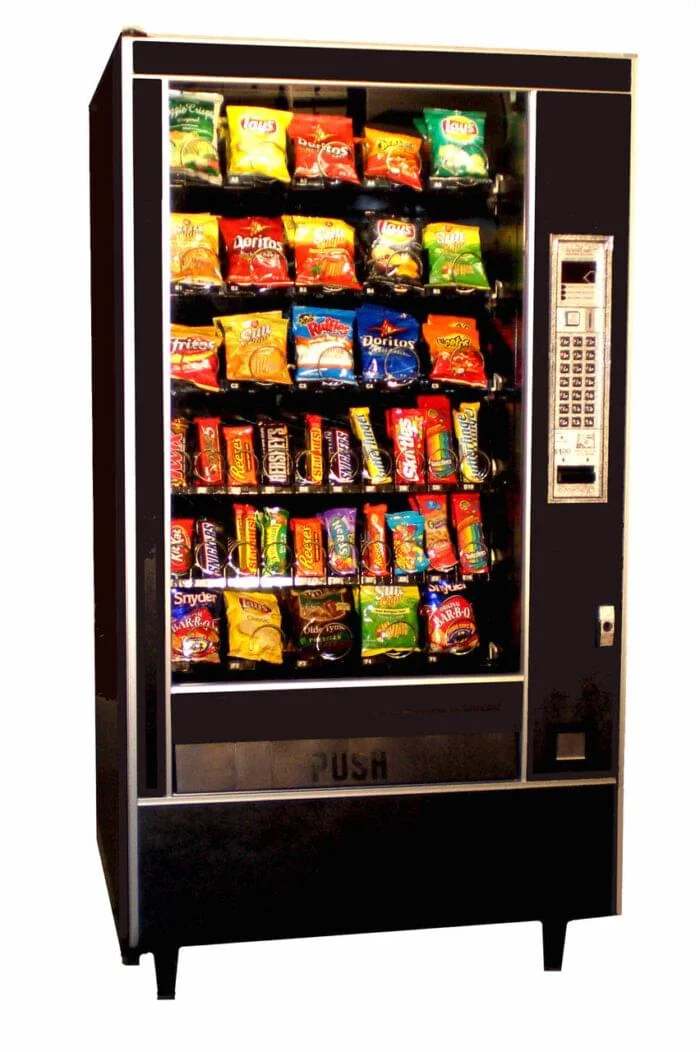
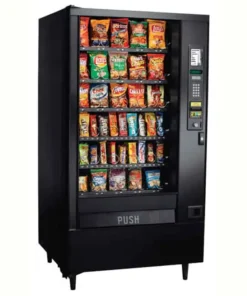
Automatic Products Model 7600 Snack Machine
$1,800.00
The AP 7600 snack machine is a work horse in our industry. Simple, reliable and virtually trouble free. Heavy gauge steel cabinet and door. For medium size locations.
Table of Contents
-
Introduction: The AP 7600 – An Industry Icon
-
Technical Specifications & Design Philosophy
-
The Spiral Delivery System: How It Works & Why It Endures
-
Model Variations & Evolution (7600, 7601, 7602)
-
Key Features & Operational Capabilities
-
Benefits for Vending Operators: Profitability & Reliability
-
Benefits for Location Hosts & End Consumers
-
Machine Setup, Leveling & Initial Programming
-
Loading, Servicing & Preventative Maintenance Schedule
-
Troubleshooting Common AP 7600 Issues
-
Upgrading & Modernizing: Cashless, Telemetry & Energy Management
-
Sourcing the AP 7600: New, Refurbished, and As-Is Markets
-
Cost Analysis, ROI, and Business Case
-
Frequently Asked Questions (FAQ)
-
Conclusion: The Legacy Machine for Modern Operations
1. Introduction: The AP 7600 – An Industry Icon
In the pantheon of vending machines, few models command the respect and recognition of the Automatic Products (AP) Model 7600 snack machine. For decades, this distinctive black-and-silver cabinet, with its bowed glass front and glowing fluorescent light, was the undisputed king of the snack vending world. Manufactured by Automatic Products International, a company later acquired by Crane Merchandising Systems, the AP 7600 became ubiquitous in break rooms, factories, schools, and airports across North America and beyond.
The 7600 wasn’t just popular; it was profoundly influential. It established design and reliability standards that shaped the industry. Its success stemmed from a perfect marriage of robust engineering, operator-friendly design, and a delivery system so reliable it became the benchmark for all snack machines that followed. While production of the original 7600 series has ceased, its legacy lives on. Tens of thousands remain in daily operation, and a robust market exists for refurbished and rebuilt units, a testament to their enduring value.
This comprehensive guide from VendingMachines.com is dedicated to unpacking everything you need to know about the AP 7600. Whether you’re a veteran operator managing a fleet of these workhorses, a new entrepreneur considering them for your first route, or a facilities manager maintaining an on-site machine, this article will serve as your ultimate resource. We’ll explore its mechanics, advantages, maintenance, and how to integrate this classic machine into a modern, profitable vending operation.
2. Technical Specifications & Design Philosophy
The AP 7600 was built for the long haul. Its specifications reveal a machine designed for high capacity, easy serviceability, and unwavering durability.
Physical Dimensions & Layout:
-
Height: 72 inches
-
Width: 39.5 inches
-
Depth: 35 inches
-
Weight: Approximately 575 lbs (empty)
-
Capacity: The standard AP 7600 features 40 product selections arranged in 5 columns and 8 rows. Each selection uses a single spiral (helix) to hold product. Total snack capacity typically ranges from 180 to 240 items, depending on product size and spiral configuration.
-
Construction: Heavy-gauge welded steel cabinet with a durable, textured powder-coat finish. The iconic bowed, tempered safety glass front provides excellent product visibility and aesthetic appeal.
-
Power Requirements: 115V AC, 60Hz, 10-amp dedicated circuit.
Design Philosophy: Operator-Centric Engineering
Every aspect of the 7600 was designed with the route driver and technician in mind:
-
Full-Width Service Door: A single key unlocks a large door that provides complete access to the machine’s interior—spirals, motors, control board, and money compartment.
-
Modular Components: Spirals, motors, and shelf assemblies are designed for quick removal and replacement, minimizing downtime during service.
-
Simple Mechanics: The vending process relies on a direct, electromechanical action rather than complex software or sensors, making it predictable and easy to repair.
3. The Spiral Delivery System: How It Works & Why It Endures
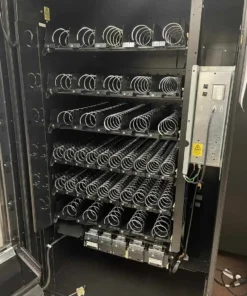
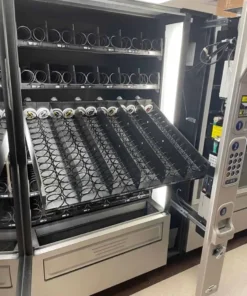
The heart of the AP 7600—and the secret to its legendary reliability—is its spiral (helix) delivery system. This elegantly simple mechanism is what sets it apart from earlier, less reliable machines.:::::Automatic Products Model 7600 Snack Machine
How It Works:
-
Product Loading: Snack items are loaded onto a plastic spiral, which is mounted on a motor-driven shaft. Each spiral corresponds to one of the 40 product selections.
-
Customer Selection: A customer presses a button corresponding to their desired product’s column and row (e.g., A1, D7).
-
Motor Activation: The machine’s control board sends power to the specific motor for that selection.
-
Spiral Rotation: The motor rotates the spiral exactly 360 degrees (one full turn).
-
Product Release: As the spiral turns, its coils gently push the front-most product forward until it clears the spiral and drops, by gravity, down a delivery chute and into the collection bin.
-
Completion: The motor stops, and the machine is ready for the next transaction.::::Automatic Products Model 7600 Snack Machine
Why This System Succeeded:
-
Gentle on Product: Unlike aggressive pusher arms, the spiral rotation is smooth, minimizing damage to chip bags and candy wrappers.::::Automatic Products Model 7600 Snack Machine
-
Highly Reliable: With very few moving parts per selection, there is very little to break. A failed motor or cracked spiral is a quick, inexpensive fix.
-
Accurate: The 360-degree rotation is precise, virtually eliminating false or double vends when the machine is properly leveled and loaded.
-
Flexible: A wide variety of spiral sizes and pitches were available to accommodate everything from small candy bars to large bags of chips or pastries.::::Automatic Products Model 7600 Snack Machine
4. Model Variations & Evolution (7600, 7601, 7602)
While “AP 7600” is often used as a catch-all term, there were key model variations with important upgrades:
-
AP 7600 (The Original): The foundational model. It featured a basic LED numerical display for price and credit, and its logic board was pre-MDB (Multi-Drop Bus). It used proprietary “Logic Board” or “Satellite” style coin mechs and bill validators, which are now considered obsolete.::::::Automatic Products Model 7600 Snack Machine
-
AP 7601: A significant step forward. The primary upgrade was the integration of an MDB-compatible control board. MDB is a universal communication protocol that allows the machine to work with any modern, off-the-shelf bill validator and coin mech. This made the 7601 vastly more adaptable and future-proof. Many original 7600s were later retrofitted with MDB upgrade kits.
-
AP 7602: Represented the “digital age” evolution. It retained the same physical cabinet and spiral mechanics but introduced a backlit LCD display. This display could show messages like “INSERT COINS,” “PRICE $1.25,” “THANK YOU,” and even simple sold-out messages, greatly improving the user interface. The 7602 was always MDB-compatible.:::::Automatic Products Model 7600 Snack Machine
Identifying Your Model:
The quickest way is to look at the display. A simple red 7-segment number display indicates a 7600 (or a 7601 with the older display). A backlit pixelated screen that shows words indicates a 7602. The model number is also on the serial plate inside the service door.::Automatic Products Model 7600 Snack Machine
5. Key Features & Operational Capabilities
Beyond its spiral system, the AP 7600 boasted features that made it a complete package for operators:
-
Dual-Pricing Capability: The control board allowed for two separate price matrices. This was commonly used to have one set of prices for the top four rows (larger items) and another for the bottom four rows (smaller items), maximizing revenue potential.
-
Motor Monitoring Circuitry: The board could detect if a motor was stuck or drawing too much current (indicating a jam) and would stop power to prevent damage, often flashing an error code.
-
Anti-Theft Design: The cash compartment was a separate, locked box within the main service area. The heavy-duty locks and solid steel construction deterred break-ins.::Automatic Products Model 7600 Snack Machine
-
Sold-Out Sensing (Optional): Later models and retrofit kits could incorporate photo-eye sensors at the back of each spiral to detect when a product was out of stock and light a “SOLD OUT” LED on the selection button panel.
-
DEX Data Port: Most MDB models (7601/7602) included a DEX (Data Exchange) port. By connecting a handheld route computer or telemetry device, operators could download detailed sales data for each selection, revolutionizing inventory management and route planning.::Automatic Products Model 7600 Snack Machine
6. Benefits for Vending Operators: Profitability & Reliability
For the business owner, the AP 7600 was and remains a profit-generating asset:
-
Unmatched Reliability & Uptime: The machine’s simple design translates to fewer service calls. When repairs are needed, they are typically quick and inexpensive. High uptime means consistent revenue.
-
Excellent Return on Investment (ROI): Both initial purchase cost (especially for refurbished units) and lifetime maintenance costs are low. Its durability means it generates revenue for years, often paying for itself many times over.(Automatic Products Model 7600 Snack Machine)
-
Easy to Service & Maintain: Route drivers can be trained quickly on how to change spirals, clear jams, and replace motors. This reduces reliance on costly technical specialists.
-
Universal Parts Availability: Even though the machine is no longer made, a massive aftermarket industry supports it. Every part—from spirals and motors to control boards and glass—is readily available and affordable online.(Automatic Products Model 7600 Snack Machine)
-
Proven Customer Acceptance: The familiar, trusted interface minimizes user error and encourages sales. People know how to use an AP 7600.::Automatic Products Model 7600 Snack Machine
7. Benefits for Location Hosts & End Consumers
-
Trustworthy & Familiar: For location managers, the AP 7600 represents a known quantity. It’s a reliable amenity that requires little attention from their staff.
-
Clear Product Visibility: The bowed glass and internal lighting create an attractive, well-lit display that merchandises products effectively.
-
Simple User Interface: The grid of labeled buttons (A1-D8) is intuitive for consumers of all ages. The display clearly shows credit and price.
-
Consistent Performance: Customers appreciate a machine that reliably delivers the product they paid for, building trust in the vending service.::Automatic Products Model 7600 Snack Machine
8. Machine Setup, Leveling & Initial Programming
Critical First Step: Leveling
The AP 7600’s spiral system is gravity-assisted. An unlevel machine is the single greatest cause of vending problems. Use a high-quality carpenter’s level on the top frame of the cabinet (not the plastic trim). Adjust the front leveling legs until the bubble is perfectly centered both side-to-side and front-to-back.
Power-Up & Basic Programming (MDB Models):
-
After leveling, plug the machine into a dedicated outlet.
-
Unlock the main service door. Locate the programming button and keypad (usually near the control board).
-
Enter Programming Mode: Press and hold the programming button until the display changes.
-
Set Pricing: Navigate to the price setting menu. You can set prices by individual selection, by row, or by a default price. Utilize the dual-pricing feature if your product mix warrants it.
-
Set Date/Time: Essential for accurate DEX data.
-
Configure Cashless Device: If installed, follow the specific device’s instructions for integration with the MDB board.
-
Load and Test: Load a few test products in various columns and use the service mode to manually test each spiral’s rotation and delivery.
Automatic Products Model 7600 Snack Machine
Automatic Products Model 7600 Snack Machine
Automatic Products Model 7600 Snack Machine
9. Loading, Servicing & Preventative Maintenance Schedule
Daily/Route Driver Check:
-
Collect cash and DEX data.
-
Restock sold-out spirals.
-
Visually inspect for error lights or jammed product.
-
Wipe down the delivery bin area:::Automatic Products Model 7600 Snack Machine.
Weekly/Bi-Weekly Service:
-
Clean Spirals: Remove empty spirals and wipe them down to prevent dust and grease buildup.
-
Check Motor Operation: Listen for any motors that sound strained or hesitant during vending.
-
Inspect Delivery Chute: Ensure it’s clear of debris and that the flap opens smoothly.
Quarterly Preventative Maintenance:
-
Deep Clean Interior: Vacuum out crumbs and dust from the bottom of the cabinet. Clean the delivery chute and bin with a disinfectant.
-
Lubricate Moving Parts: Apply a very small amount of food-grade silicone spray to the moving parts of the delivery bin flap and lock mechanisms. Never use WD-40 or grease.
-
Inspect Wiring: Look for any frayed wires or loose connections, especially around the harnesses connecting to the motors.::Automatic Products Model 7600 Snack Machine
-
Test & Clean Bill Validator: Use a bill validator cleaning card.
Semi-Annual/Annual:
-
Check and Tighten Hardware: Ensure all shelf brackets, motor mounts, and cabinet screws are snug.
-
Full Mechanical Inspection: Consider a professional inspection of the control board and power supply.
10. Troubleshooting Common AP 7600 Issues
-
Motor Runs But Doesn’t Vend / Spins Freely:
-
Cause: The motor coupler (a small plastic piece connecting the motor shaft to the spiral) is stripped or broken.
-
Fix: Replace the motor coupler. This is a very common and inexpensive repair.
-
-
Machine Takes Money, Makes a Click, But Nothing Happens:
-
Cause 1: The motor is burned out or not receiving power.
-
Cause 2: The product is jammed against the spiral, preventing rotation.
-
Fix: First, check for a visible jam. Then, use the manual test mode to activate the motor. If you hear a buzz but no turn, the motor is likely bad. If you hear nothing, check the wiring harness connection to that motor.::Automatic Products Model 7600 Snack Machine
-
-
“Make Another Selection” or Immediate Refund:
-
Cause: The machine’s “motor monitor” circuit detected a problem—usually a stuck motor, a jam, or a short circuit.
-
Fix: Identify the last selection that was attempted. Clear any jam at that spiral. If the problem persists, the motor or its wiring may need replacement.
-
-
Bill Validator or Coin Mech Not Being Recognized:
-
Cause (7600 Models): You may be trying to use an MDB validator on a non-MDB board.
-
Cause (All Models): Dirty or improperly seated harness connection.
-
Fix: Verify your machine’s compatibility. Power down, reseat all payment system connectors, and reboot.:::Automatic Products Model 7600 Snack Machine
-
11. Upgrading & Modernizing: Cashless, Telemetry & Energy Management
A 7600 can be a thoroughly modern machine with a few key upgrades:
-
MDB Conversion Kit (For Non-MDB 7600s): This is the first and most critical upgrade. It replaces the old logic board with a new MDB-compatible board and keypad/display. Cost: $300-$500. This opens the door to all other modern features.::Automatic Products Model 7600 Snack Machine
-
Cashless Vending System: Adding a credit/debit card reader (e.g., Nayax, Cantaloupe) is now essential. It plugs into the MDB port and can increase sales by 20-40%. Look for models with built-in telemetry.
-
Telemetry & Remote Monitoring: Modern cashless systems include cellular modules that report sales data, machine health (door opens, power outages), and inventory alerts (based on sales counts) in real-time to a web portal or app.
-
LED Lighting Conversion Kit: Replaces the old fluorescent ballast and tubes with bright, cool, energy-efficient LED strips. Reduces energy use, eliminates ballast hum, and improves lighting reliability. Cost: ~$100-$150.
-
Energy Management Device: A small plug-in timer or smart controller can cycle the machine’s power during closed hours (e.g., nights and weekends), saving significant electricity without affecting product freshness.
12. Sourcing the AP 7600: New, Refurbished, and As-Is Markets
-
New: No longer manufactured. “New” may refer to New Old Stock (NOS) or the closest modern equivalent (like the Crane 122/162).
-
Professionally Refurbished (Recommended): The sweet spot for value. A reputable vendor will have:
-
Completely disassembled, cleaned, and repainted the cabinet.
-
Installed an MDB upgrade kit.
-
Replaced worn spirals and motors.
-
Installed new lighting (often LED).
-
Provided a warranty (often 1-3 years on parts/labor).
-
Price Range: $1,800 – $3,200.
-
-
“As-Is” / Used: Purchased from auctions, closed routes, or private sellers. This is a gamble. You might get a working machine for $300-$800, but it will likely need immediate investment in parts, cleaning, and possibly an MDB conversion. Only recommended for experienced technicians.
13. Cost Analysis, ROI, and Business Case
Sample Investment for a Modernized Machine:
-
Refurbished AP 7600 with MDB: $2,500
-
Basic Bill Validator & Coin Mech: $500
-
Cashless Kit with Telemetry: $700
-
Total Estimated Investment: $3,700
ROI Scenario:
-
Location: 150-person office.
-
Avg. Item Price: $1.75
-
Weekly Sales: 120 items
-
Weekly Gross Revenue: 120 x $1.75 = $210
-
Weekly Costs (Product 40%, Commission 20%, Misc 5%): ~$136
-
Weekly Net Profit: $74
-
Simple Payback Period: $3,700 / $74 = 50 weeks (under 1 year).
After the first year, the machine generates nearly $3,850 in annual net profit with proper management.
14. Frequently Asked Questions (FAQ)
Q: Can the AP 7600 vend bottled drinks or just snacks?
A: Primarily snacks. While it can be configured with special spirals for small water bottles or juice boxes, it is not a dedicated drink machine. Its strength is in chip bags, candy, pastries, and similar packaged snacks.
Q: How do I know what size spiral to use?
A: Spiral size is determined by product depth and stability. Small candy bars use a “fine pitch” spiral. Standard chip bags use a “medium pitch.” Large items use a “coarse pitch” or “wide” spiral. Vendors sell sizing guides.
Q: Is it worth buying a non-MDB 7600?
A: Only if you are getting it for free or almost free, and you are prepared to immediately install an MDB conversion kit. Operating with obsolete payment systems is not viable in the modern market.
Q: My machine is cold inside. Is that normal?
A: No. The AP 7600 is not refrigerated. If the interior is cold, it is likely placed next to a cold drink machine and sharing its air. This can be bad for certain snacks (like chocolate). Consider adding a small heater kit or relocating the machine.
Q: Can I increase the capacity beyond 40 selections?
A: Not easily. The cabinet is designed for a 5×8 grid. Some operators use “double-tier” spirals on the bottom rows to hold two deep of smaller products, but this requires careful management to avoid jams.
15. Conclusion: The Legacy Machine for Modern Operations
The Automatic Products Model 7600 is more than just a piece of vending history; it is a viable, profitable, and sensible piece of business equipment for today’s market. Its unparalleled mechanical reliability, combined with the availability of modern electronic upgrades, creates a unique value proposition: the rugged durability of a classic with the connectivity and convenience of a new machine.
For the operator who values simplicity, repairability, and proven performance, the refurbished and modernized AP 7600 is an outstanding choice. It represents a lower-risk, lower-cost entry into the snack vending segment with a clearly proven path to profitability. While newer machines offer flashier aesthetics, none have yet matched the 7600’s perfect balance of form, function, and legendary longevity.
In a world of planned obsolescence, the AP 7600 stands as a testament to quality engineering. It is a machine built not for a product cycle, but for a business lifetime.
Related products
Refurbished Machine
Refurbished Machine
Refurbished Machine
Refurbished Machine